 blog
How to Choose Asian Fusion vs Sushi in Carmel
Last Updated: October 30, 2026
Quick Summary
Choosing asian fusion vs sushi in Carmel comes down to whether you want a focused raw-fish meal or a broader cross-cultural menu. Sushi restaurants center on rice, nori, and fresh seafood, while Asian fusion kitchens combine Japanese, Korean, Chinese, and Western techniques on one menu. Pick sushi for seafood purists and fusion for groups with mixed preferences.
- Sushi meals often run 45 to 75 minutes, while fusion meals often run 75 to 120 minutes.
- Sushi bills add up through small per-piece prices; fusion plates cost more but offer more sharing.
- Booking a sushi counter for a group with mixed preferences is the most common value mistake.
- Read menus for the number of cooked entrées versus raw items before booking.
- Pangaea Grill serves breakfast, lunch, and dinner and was named Best Restaurant in Carmel-by-the-Sea in 2022, 2023, and 2024.
Table of Contents
- Asian Fusion vs Sushi in Carmel: What Actually Sets Them Apart
- Side-by-Side Comparison: Menu, Price, and Value
- Asian Fusion Restaurant Carmel-by-the-Sea: What to Expect
- Sushi Restaurants Carmel-by-the-Sea: What to Expect
- Asian Fusion Menu Options and What to Order
- Choosing by Occasion: Date Night, Groups, and Dietary Needs
- Reserve Your Table at Pangaea Grill
- Frequently Asked Questions
Asian Fusion vs Sushi in Carmel: What Actually Sets Them Apart
When weighing Asian fusion vs sushi in Carmel, the choice comes down to one question: do you want a focused raw-fish experience or a broader cross-cultural menu? Sushi restaurants build their identity around rice, nori, and pristine seafood. Asian fusion kitchens pull techniques and flavors from Japanese, Korean, Chinese, and Western cooking onto the same menu. At Pangaea Grill, we serve the second style, and we think the distinction deserves a straight answer rather than a marketing pitch.
Here is the part most guides get wrong: they treat the two as interchangeable "Asian food" and send readers to whichever listing ranks first. That approach fails diners. A sushi counter and a fusion kitchen deliver different meals, different pacing, and different price structures.
The Core Difference: Raw Fish Focus vs Cross-Cultural Cooking
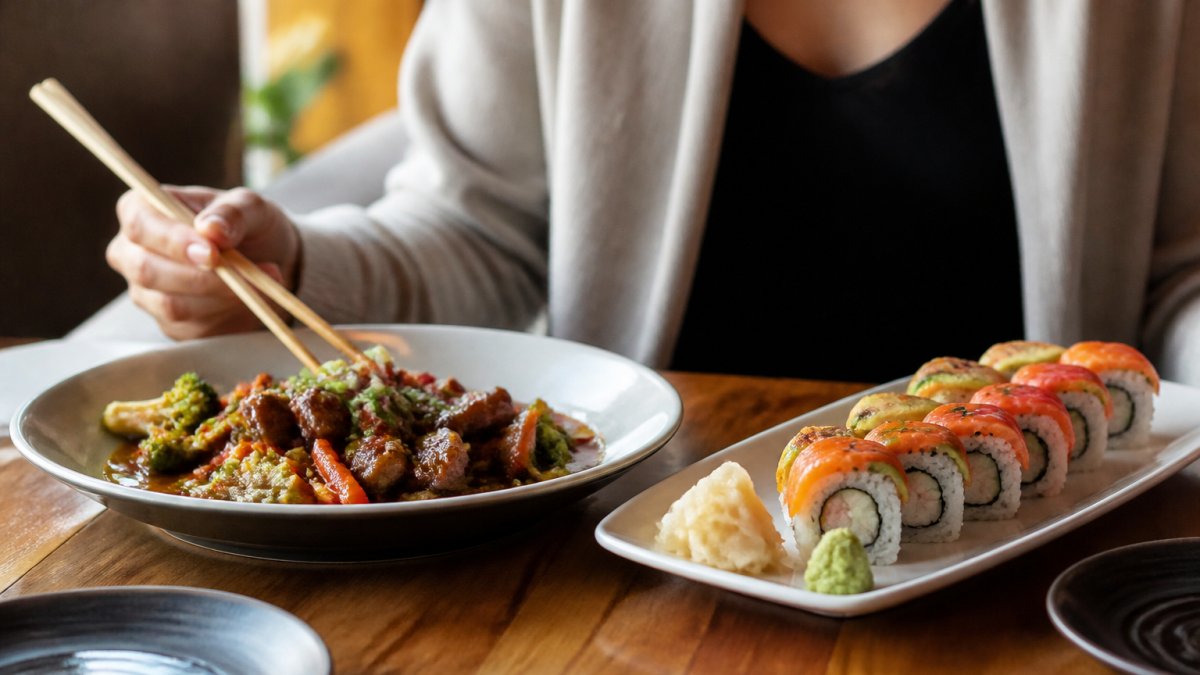
Sushi is a discipline built around one ingredient: fish. A sushi restaurant's reputation rests on the freshness of its seafood, the seasoning of its rice, and the skill of its cutters. The menu narrows deliberately: nigiri, sashimi, rolls, perhaps a few cooked Japanese entrées.
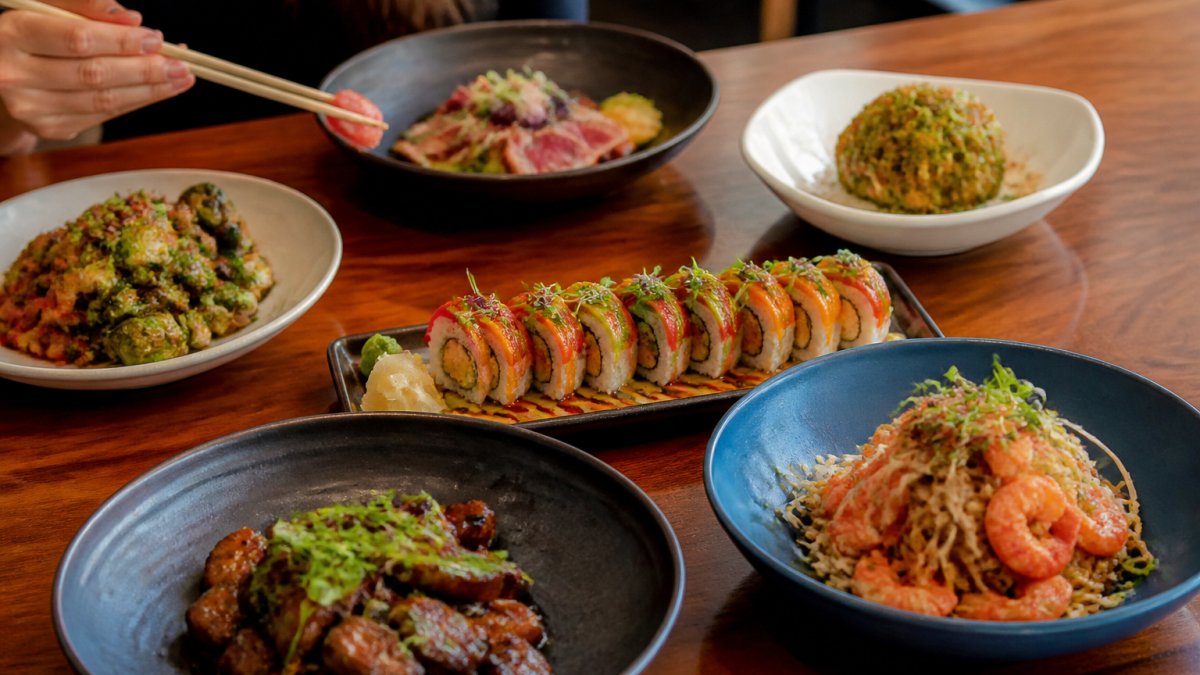
Asian fusion is a cooking style that combines techniques and flavor profiles from multiple Asian cuisines, often with Western influences. The menu widens on purpose. You might see Korean-inspired marinades beside Japanese-style grilled dishes, Chinese noodle preparations, and seafood handled with French or Californian technique.
Neither approach is better. They answer different cravings. If you want to taste the ocean with minimal interference, sushi wins. If you want range across a table and dishes built for sharing, fusion delivers more.
Why the Distinction Matters on the Monterey Peninsula
Geography sharpens this choice. The Monterey Peninsula sits beside one of the most productive coastal fisheries in the United States, and local kitchens lean on that access. A sushi restaurant here can source excellent seafood, which raises the bar for everyone.
That same advantage changes what fusion cooking can do. A fusion kitchen with good seafood access is not hiding inferior fish behind sauce, it is treating a strong ingredient as one part of a larger composition. Diners who understand this stop asking "which is more authentic" and start asking "which fits tonight."
Watch out: the biggest mistake visitors make is booking a sushi counter for a group with mixed preferences. Sushi rewards diners who all want raw fish. A group with one or two skeptics ends up ordering cooked rolls and paying sushi prices for food they did not want.
Side-by-Side Comparison: Menu, Price, and Value
This section compares how the two dining experiences differ in cost, pacing, and portion logic. The comparison below is built for planning a meal in Carmel-by-the-Sea, California, not Carmel, Indiana, and it focuses on the mechanics that actually drive your bill.
| Factor | Sushi Restaurant in Carmel-by-the-Sea | Asian Fusion Restaurant in Carmel-by-the-Sea |
|---|---|---|
| Menu focus | Raw fish, nigiri, sashimi, rolls, a few cooked Japanese entrées | Multi-cuisine plates drawing on Japanese, Korean, Chinese, and Western technique |
| Typical ordering unit | Per piece or per roll | Shared plates and entrées |
| How the bill adds up | Small per-piece prices compound fast for a hungry table | Higher per-plate prices but more food per order and more sharing |
| Best for | Seafood purists, couples, small parties who all eat raw fish | Groups, mixed preferences, families, sharing |
| Meal pacing | Fast, counter-driven, often 45-75 minutes | Slower, course-based, often 75-120 minutes |
| Dietary flexibility | Narrow for non-fish eaters; cooked options play a supporting role | Broader; more cooked, vegetable, and meat options |
| Price driver | Fish quality, cut, and sourcing | Ingredient range and preparation complexity |
| Reservation pressure | High on weekends; counters are small | Moderate; dining rooms are usually larger |
Portion and pacing trade-offs. Sushi suits diners who want a focused meal and know exactly what they like. Fusion suits diners who want range across the table. If your group includes one or two people who avoid raw fish, a sushi counter forces them into cooked rolls at sushi prices, which is the most common value mistake visitors make in Carmel-by-the-Sea.
How to compare menus before you book. Read the menu for the number of cooked entrées versus raw items, not just the headline dishes. A fusion menu with a deep cooked section handles mixed parties better. Check whether plates are designed for sharing.
If you want to see actual dishes before deciding, see the menu for Pangaea Grill to compare specific plates and get current pricing from the restaurant's website.
Asian Fusion Restaurant Carmel-by-the-Sea: What to Expect
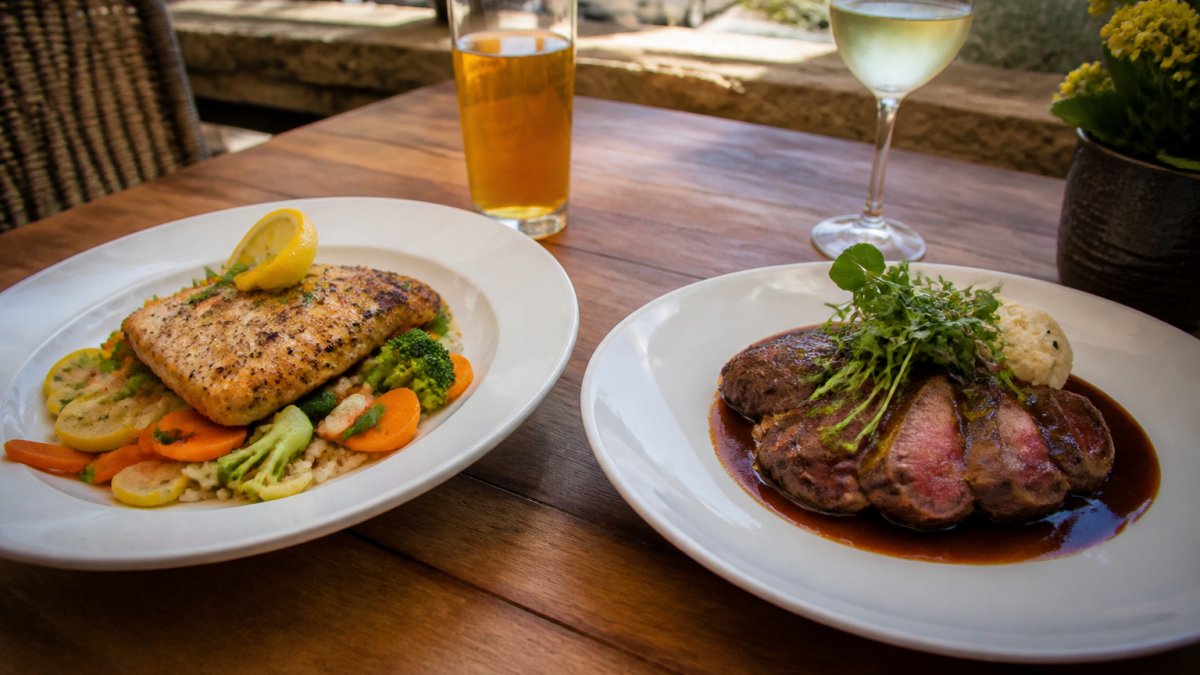
Walking into an Asian fusion restaurant in Carmel-by-the-Sea, expect a broader menu than a sushi bar and a kitchen comfortable with cooked food. Pangaea Grill serves breakfast, lunch, and dinner.
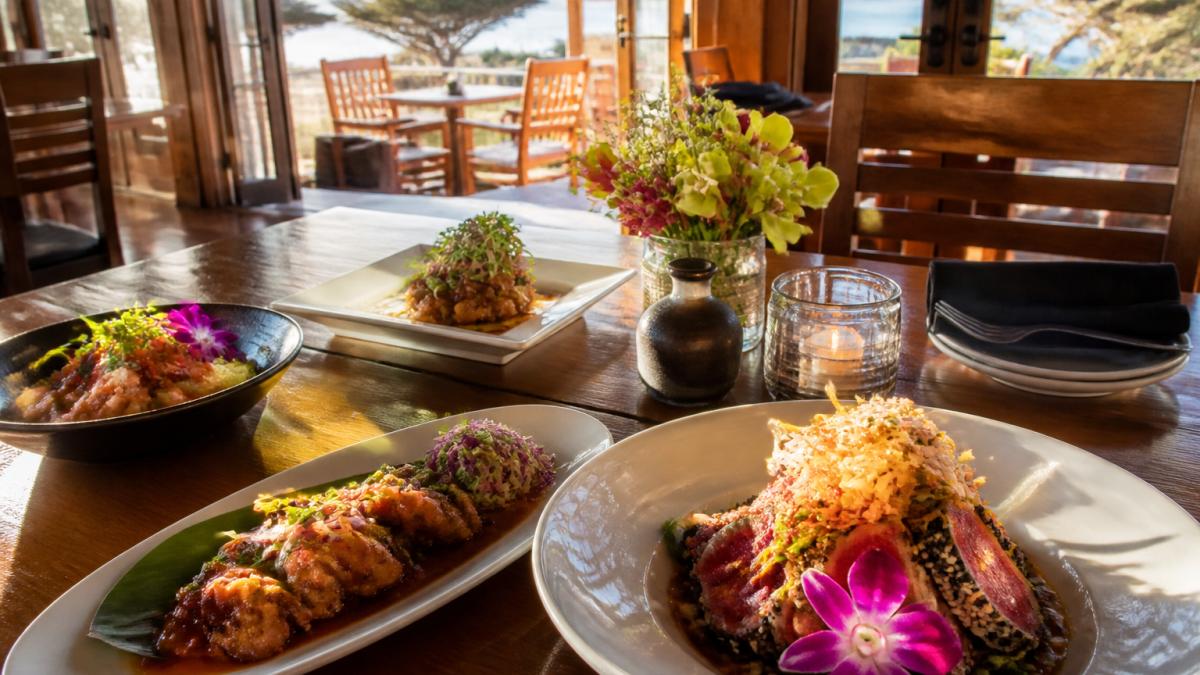
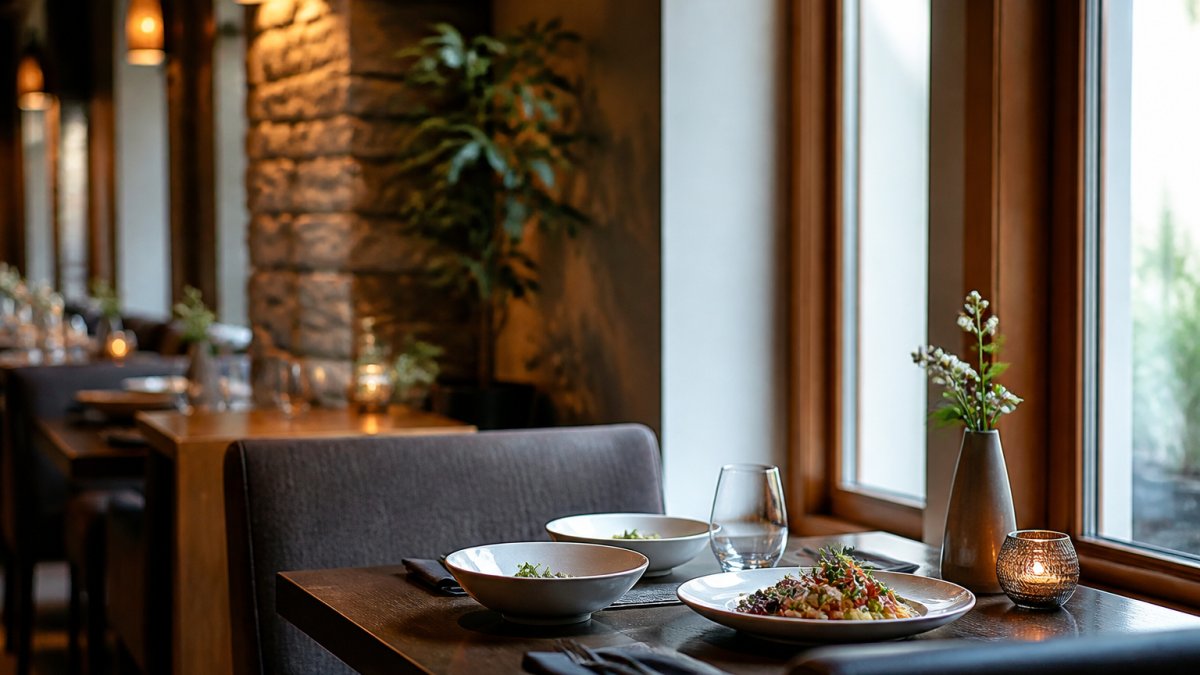
The atmosphere at Pangaea Grill is warm and inviting, with a patio setting.
Sushi Restaurants Carmel-by-the-Sea: What to Expect
Sushi restaurants in Carmel-by-the-Sea follow a tighter script.
Asian Fusion Menu Options and What to Order
What to look for on an Asian fusion menu:
- Korean-inspired dishes, including marinated and grilled preparations with fermented and chili-based flavors
- Japanese entrées such as grilled seafood, noodle dishes, and rice bowls
- Chinese-influenced plates, from wok-cooked vegetables to braised proteins
- Sizzling plates served hot at the table, which suit sharing
- Fresh seafood prepared with cross-cultural technique rather than strictly Japanese method
- Steak and grilled meats for diners who want a substantial cooked main
- Sake and wine lists built to pair across cuisines rather than with one style
Choosing by Occasion: Date Night, Groups, and Dietary Needs
Match the style to the occasion and the decision becomes simple.
Date night: Pangaea Grill's warm dining area and patio make a relaxed setting for a special evening.
Groups and celebrations: Pangaea Grill's warm dining area and patio suit gatherings of all sizes. Readers planning a group outing can browse the best restaurants for group celebrations for recommendations suited to celebrations.
Dietary needs: Call ahead with specific needs rather than guessing from an online menu. Readers unsure about fusion food can read a beginner's guide to whether Asian fusion is too adventurous for reassurance and guidance on whether it suits their group or dietary needs.
Reserve Your Table at Pangaea Grill
Our menu blends Eastern and Western flavors across breakfast, lunch, and dinner, served in a warm dining room with a patio. We have been recognized as Best Restaurant in Carmel-by-the-Sea in 2022, 2023, and 2024, and we use the finest local ingredients.
If you are planning a visit, check our hours and location on Ocean Avenue before you head over.
Frequently Asked Questions
What is the difference between Asian fusion and sushi?
Sushi centers on seasoned rice, raw or cooked seafood, and precise Japanese technique, so the menu stays tightly focused. Asian fusion blends flavors from Eastern and Western cooking traditions. If you want sashimi and nigiri, choose sushi. If you want a broader menu across a table, fusion may suit you.
Where can I find Asian fusion food in Carmel-by-the-Sea?
Pangaea Grill on Ocean Avenue serves Asian fusion for breakfast, lunch, and dinner. It has been named Best Restaurant in Carmel-by-the-Sea for 2022, 2023, and 2024, and the kitchen combines Eastern and Western flavors using local ingredients. The patio and warm dining room suit both casual meals and celebrations.
Is Asian fusion a good choice for diners who do not eat raw fish?
Asian fusion menus generally include cooked dishes. Ask your server which dishes contain raw seafood, and confirm ingredient details if you have allergies.
Is Asian fusion or sushi better for a special occasion in Carmel-by-the-Sea?
It depends on the group. For a party of eight or a date night, call ahead to discuss seating and timing; Pangaea Grill serves breakfast, lunch, and dinner.
The choice between fusion and sushi is really a choice about the meal you want: focused or varied, raw or cooked, quick or paced. If you want range, a patio, and a kitchen that treats seafood as one ingredient among many, we would like to host you. Get started with Pangaea Grill and book a table for breakfast, lunch, or dinner on Ocean Avenue.