 how-to
Is Asian Fusion Food Too Adventurous? A Beginner's Guide
Table of Contents
- What Is Asian Fusion Food, Really?
- Traditional Cuisine vs. Fusion: Understanding the Difference
- Mild Asian Fusion Dishes Perfect for First-Time Diners
- Asian Fusion Dishes for Beginners: Where to Start
- How to Order Asian Fusion Food When You're Unsure
- Flavor Pairing and Taste Expectations: What to Actually Expect
- Why Asian Fusion Isn't as Risky as You Think
- Conclusion
- Frequently Asked Questions
Last Updated: October 11, 2026
What Is Asian Fusion Food, Really?
Asian fusion combines flavors, cooking techniques, and ingredients from Asian cuisines with Western traditions in intentional ways. A chef might apply a traditional Korean technique to local seafood or blend Japanese flavor profiles with Mexican ingredients, respecting both traditions while creating something new.
At Pangaea Grill, we source local ingredients and pair them with authentic Asian cooking methods. True fusion respects technique and builds on tradition rather than abandoning it.
Traditional Cuisine vs. Fusion: Understanding the Difference
Traditional pad thai uses fish sauce, tamarind, and lime in precise ratios; change them and it's no longer pad thai. Fusion reimagines those building blocks, using the same flavor profile but serving it over local seafood instead of noodles. Fusion doesn't mean "less authentic"; it means intentional creativity within a culinary framework, requiring deep knowledge of both traditions being blended.
Mild Asian Fusion Dishes Perfect for First-Time Diners
Start with dishes featuring familiar proteins (chicken, salmon, steak) with Asian flavor accents, mild spice levels, and recognizable sauces. A grilled salmon with ginger glaze or fusion tacos with Korean-inspired beef are gentle introductions. Order dishes with one or two Asian elements, not five. Ask your server which dishes are "approachable for first-time fusion diners", good restaurants flag these options.
Asian Fusion Dishes for Beginners: Where to Start
Start with dishes that use ingredients you recognize in new ways. This builds confidence and lets you appreciate the technique without worrying about flavors.
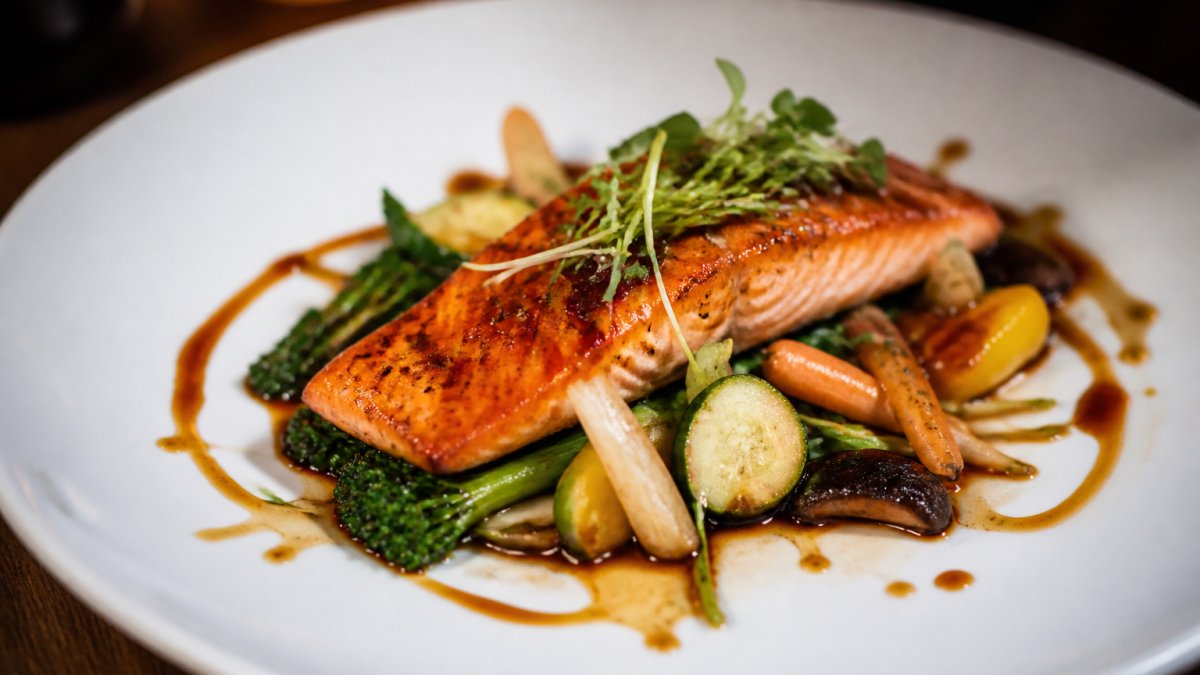
Mild starting dishes include:
- Grilled proteins with Asian glaze (soy, ginger, or mirin-based)
- Fried rice with familiar vegetables and a light sauce
- Noodle dishes with mild seasoning and visible ingredients
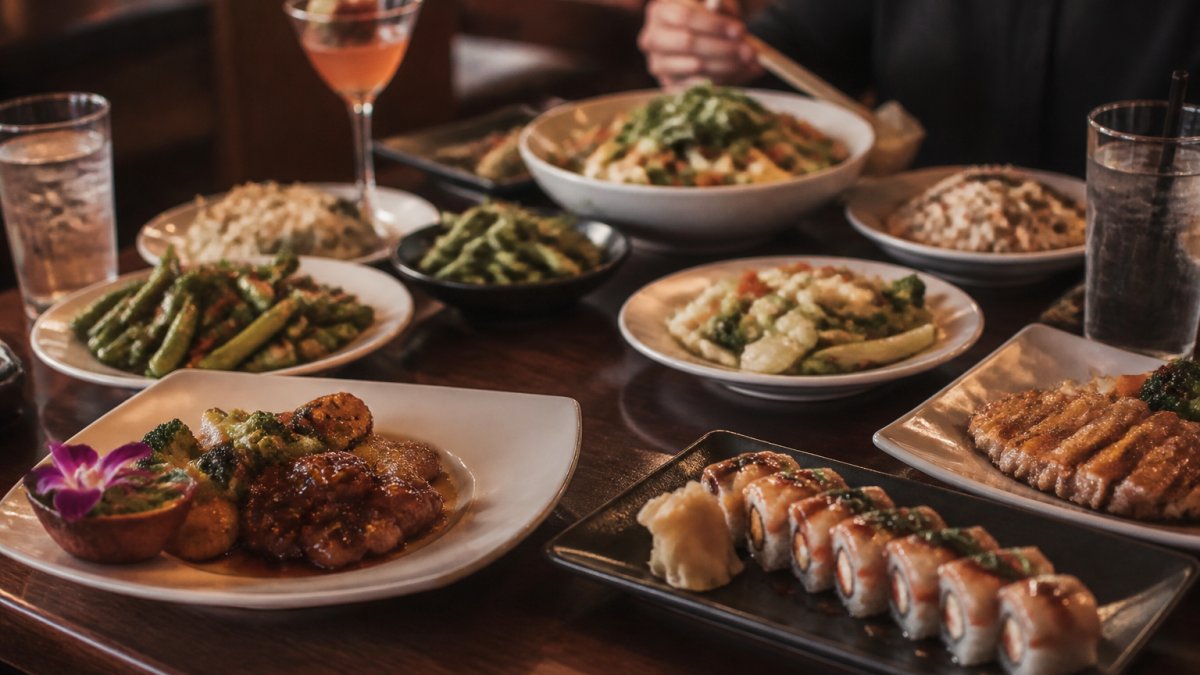
- Dumplings with recognizable fillings (chicken, shrimp, vegetables)
- Stir-fried vegetables with light, salty sauces
The goal is to taste how Asian cooking techniques change familiar foods. You'll notice how quick, high-heat cooking locks in flavors. How simple sauces enhance rather than mask the main ingredient.
Once you're comfortable with these, you can explore dishes with more complex spice profiles or unfamiliar ingredients. But there's no rush. Spending three visits on mild fusion dishes is perfectly reasonable.
Pangaea Grill offers a range of beginner-friendly options across breakfast, lunch, and dinner. Our menu balances approachable dishes with more adventurous offerings. This gives you room to explore at your own pace.
How to Order Asian Fusion Food When You're Unsure
Before you arrive, read the menu online and look for clues in the dish descriptions. This is your first line of defense against ordering something outside your comfort zone.
Decode the menu description:
- Look for familiar base proteins. Dishes built on chicken, salmon, or steak are lower-risk than those featuring unfamiliar proteins (organ meats, unusual seafood, or game). The protein is your anchor.
- Count the Asian elements. A dish with one or two Asian components (e.g., "grilled chicken with soy glaze") is gentler than one listing five unfamiliar ingredients. Complexity on the menu often means complexity on the plate.
- Watch for heat signals. Words like "spicy," "chili," "sriracha," "wasabi," or "jalapeño" indicate spice. Phrases like "mild," "light," "delicate," or "subtle" suggest restraint. If the description doesn't mention heat, ask, don't assume.
- Identify sauces and their origins. A "soy-ginger glaze" is recognizable. A "fermented black bean sauce" or "XO sauce" may be unfamiliar. Ask your server what these taste like before ordering.
- Note preparation methods. "Grilled," "steamed," or "pan-seared" are straightforward. "Wok-tossed" or "stir-fried" means high heat and quick cooking, which intensifies flavors. "Braised" or "slow-cooked" suggests depth and richness. Each method affects how bold the final dish feels.
When you arrive at the restaurant:
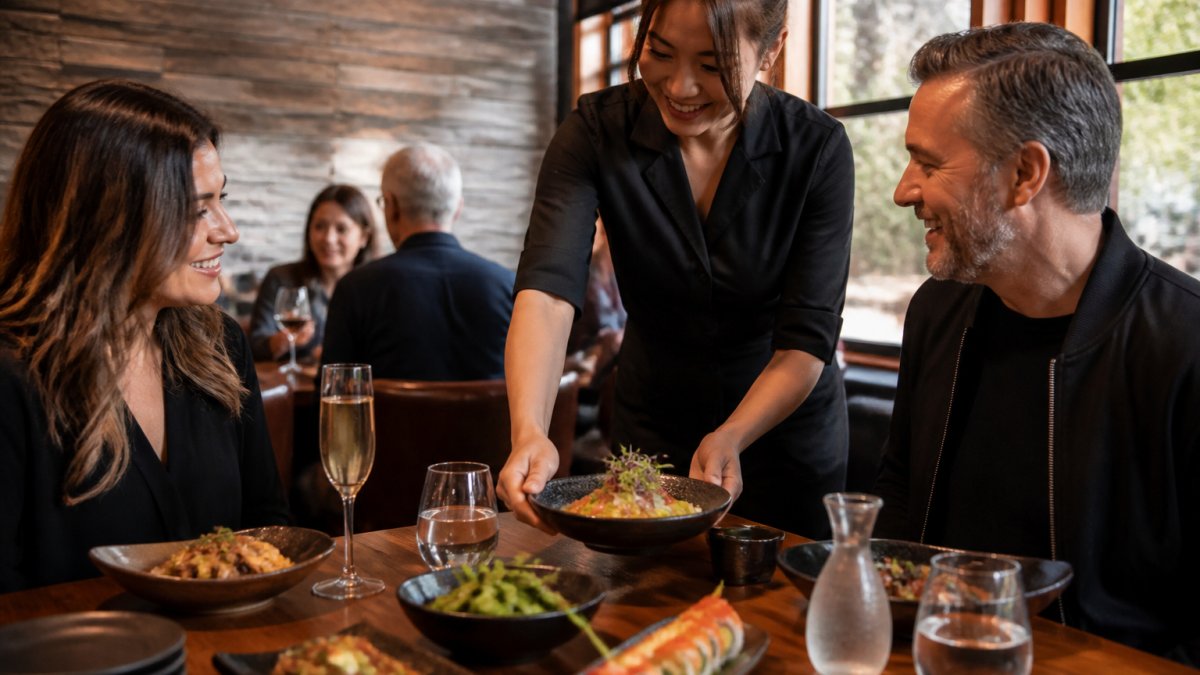
- Be specific about your comfort level. Say: "I like mild flavors and familiar proteins, but I want to try something with Asian technique. What would you recommend?" This gives your server a clear target.
- Ask about spice levels directly. A server's "mild" might not match yours. Ask whether heat is optional and whether the kitchen can reduce or remove it.
- Request ingredient lists and allergen information. Fusion kitchens often use fish sauce, soy sauce, sesame, tree nuts, or shellfish in unexpected places. Ask rather than guess.
- Ask about cross-contact and preparation. If you have a severe allergy, ask whether the dish is prepared on dedicated equipment.
- Inquire about substitutions. Most fusion restaurants are flexible with ingredient swaps.
- Order a mild dish first, then explore. Start with something approachable, then decide whether to order something bolder based on what you experience.
- Share dishes if dining with others. This lets you try multiple flavor profiles in one visit.
If a dish arrives and surprises you:
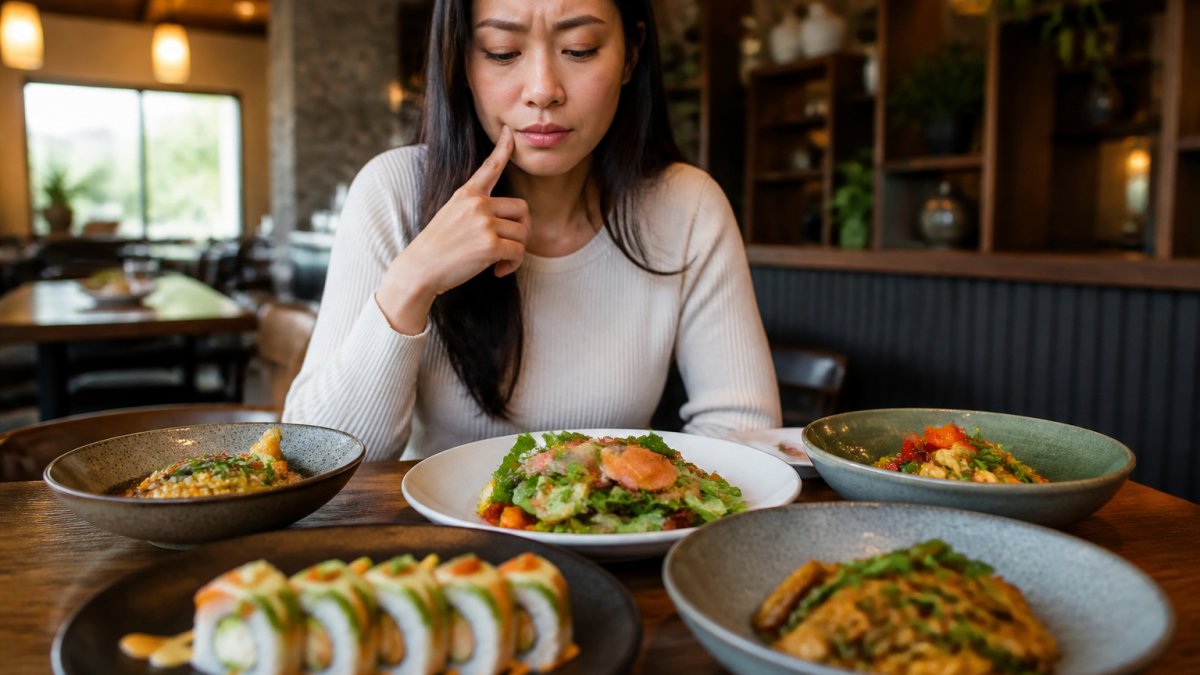
If the food is not what you expected, too spicy, too unfamiliar, or simply not enjoyable, tell your server immediately. Don't suffer through it. Explain what you were hoping for, and ask whether the kitchen can prepare something else or adjust the dish. Most restaurants will remake it or offer an alternative. This isn't a complaint; it's feedback that helps them serve you better next time.
The goal is honest communication. You're not being difficult by asking questions. You're being a thoughtful diner who wants to enjoy the meal and understand the food. Fusion restaurants that thrive do so because they welcome this conversation.
Flavor Pairing and Taste Expectations: What to Actually Expect
Asian fusion relies on balance. Sweet, salty, sour, and spicy elements work together rather than compete. Understanding how these layers work helps you predict what a dish will taste like and decide whether it suits you.
The four pillars of Asian fusion flavor:
- Sweet: Often from mirin, brown sugar, honey, or fruit. It rounds out sharp flavors and adds depth.
- Salty: From soy sauce, fish sauce, or sea salt. It amplifies other flavors and adds savory richness.
- Sour: From lime, rice vinegar, or yuzu. It brightens the dish and cuts through richness.
- Spicy: From chilies, wasabi, or black pepper. It builds heat and creates a lingering sensation.
None of these should overwhelm the others in a well-executed dish. The best fusion dishes layer these flavors so you taste them sequentially, first the sweetness, then the salt, then a slow build of heat. This is different from traditional Western cooking, where you often taste one dominant flavor (a steak is savory; a dessert is sweet).
What you'll notice when you eat:
- Flavors change as you chew. This is intentional. It's not a sign something is wrong. Your palate is working through the layers.
- Umami appears as fullness, not a sharp taste. Umami is the savory depth that comes from soy, mushrooms, aged ingredients, and fermented pastes. It's not a flavor you taste sharply. It's a richness that makes food feel satisfying and complete.
- Heat builds over time. If a dish contains chili or wasabi, the spice often intensifies as you eat. Your mouth warms gradually. This is why asking about spice level matters, what feels mild at first bite can build to uncomfortable heat by the end of the dish.
- Unfamiliar ingredients may taste different than you expect. Fish sauce smells pungent but tastes savory and salty, not fishy. Miso is salty and deep, not sweet. Ginger adds warmth and slight spice, not just flavor. If an ingredient surprises you, mention it to your server. They can explain what you're tasting and help you understand whether you'll enjoy it on future visits.
Managing unfamiliar tastes:
- Take small bites first. Don't commit to a full forkful of something you're unsure about. Taste a small amount, pause, and decide whether you want more.
- Pair unfamiliar flavors with familiar ones. If a sauce tastes too bold, eat it with rice or a mild vegetable. This dilutes the intensity and helps your palate adjust.
- Drink water between bites if heat builds. Water helps reset your palate. Milk or dairy (if you can eat it) also helps neutralize spice better than water (Putting out the fire - efficacy of common beverages in reducing oral burn from capsaicin).
- Ask what you're tasting. If a flavor surprises you, good or bad, ask your server what ingredient created it. This helps you learn and decide whether to order similar dishes in the future.
Dietary needs and ingredient transparency:
Flavor expectations also depend on what you can safely eat. Before ordering, disclose any allergies, intolerances, or dietary restrictions to your server:
- Common allergens in fusion kitchens: Fish sauce, soy sauce (contains wheat), sesame, tree nuts (especially in sauces and dressings), shellfish, and peanuts appear frequently. Ask whether a dish contains these.
- Spice and digestive sensitivity: If you have a sensitive stomach, ask whether a dish contains raw garlic, chili, or fermented ingredients. These can trigger discomfort even if they're not "spicy" in the traditional sense.
- Dietary restrictions: Vegetarian, vegan, gluten-free, and low-sodium diners should ask how the kitchen handles substitutions. Most fusion restaurants can adapt dishes, but you need to ask upfront.
- Ingredient sourcing: If you care about sourcing (local, organic, sustainable), ask your server. Many fusion restaurants highlight this as part of their identity.
When you order with full transparency about your needs, the restaurant can set realistic expectations. You'll know exactly what you're getting, and the kitchen can prepare something you'll actually enjoy. This removes the guesswork and the anxiety that makes fusion feel too adventurous.
Why Asian Fusion Isn't as Risky as You Think
The biggest misconception is that fusion means "weird." It doesn't.
Most fusion restaurants build on proven flavor combinations. A chef doesn't invent new pairings from scratch. They borrow from cuisines that already work together.
Korean and Mexican cuisines share bold, spiced flavors. Japanese and French both value precision and presentation.
When a restaurant serves Asian fusion, they're banking on your enjoyment. A failed dish loses customers.
This means your risk is low. You're not a test case. You're eating something a chef has refined multiple times.
The other factor is control. You choose the dish. You ask questions before ordering. You can request adjustments. This isn't a surprise meal.
Pangaea Grill has earned recognition as the best restaurant in Carmel for three consecutive years. That reputation comes from consistency.
Fusion restaurants that survive do so because their food works. The ones that don't make sense disappear.
Conclusion
Is Asian fusion food too adventurous? Only if you approach it as an all-or-nothing choice. Start with mild dishes. Ask questions. Build your comfort level gradually. Within a few visits, you'll understand what fusion offers and what you actually enjoy.
The beauty of fusion is that it meets you where you are. You don't need to love spice, unfamiliar ingredients, or bold flavors to appreciate it. You just need curiosity and a willingness to try something prepared with skill and care.
When you're ready to experience Asian fusion done right, Pangaea Grill offers exactly that. Our award-winning menu blends authentic Asian techniques with local ingredients. We serve breakfast, lunch, and dinner in a warm, inviting atmosphere. Whether you're a first-time fusion diner or an experienced explorer, we have dishes designed for you.
Frequently Asked Questions
What type of food is Asian fusion?
Asian fusion combines traditional Asian culinary techniques and flavors with ingredients and cooking methods from Western cuisines. It blends elements from Japanese, Korean, Chinese, and other Asian traditions with local ingredients and modern dining approaches. The result is creative food combinations that respect both culinary traditions without being bound by strict authenticity rules. Think tacos with Asian-inspired fillings or noodles prepared with Latin American spices.
Is Asian fusion food spicy?
Not necessarily. While some Asian fusion dishes include spice, many are mild or customizable. Restaurants like Pangaea Grill offer signature dishes across the entire spice spectrum. You can always ask your server about heat levels before ordering, and most kitchens will adjust spice levels on request. Fusion cooking gives chefs flexibility to balance bold Asian flavors with milder preparations that appeal to different taste preferences.
What should I ask about ingredients or spice levels before ordering?
Ask your server directly about specific ingredients, preparation methods, and spice intensity. Request information about sauces, marinades, and any unfamiliar components. If you have allergies or dietary restrictions, communicate those clearly. Most restaurants will explain what makes a dish unique and suggest alternatives if something doesn't match your comfort level. Transparency about ingredients helps you make confident choices and ensures your dining experience matches your expectations.
How can I choose an Asian fusion dish if I'm a picky eater?
Start by identifying flavors you already enjoy, then look for fusion dishes that build on those foundations. Many menus offer beginner-friendly options with familiar base ingredients prepared with Asian-inspired techniques. Ask your server for recommendations tailored to your preferences. Look for dishes described as 'mild,' 'classic,' or featuring ingredients you recognize. Most restaurants welcome requests for modifications, and many offer side dishes that let you control your experience.