 listicle
Local Ingredients in Carmel Cooking: A Guide
Table of Contents
- What Makes Local Ingredients Essential in Carmel Cooking
- Seasonal Produce and What's Available Year-Round
- Coastal Seafood and Signature Local Proteins
- Benefits of Farm-to-Table Dining in Coastal Regions
- Seasonal Menu Planning for Coastal Restaurants
- Best Restaurants in Carmel 2026 and Their Local Sourcing
- How to Source and Cook with Local Ingredients at Home
- Frequently Asked Questions
Last Updated: September 25, 2026
What Makes Local Ingredients Essential in Carmel Cooking
Local ingredients in Carmel cooking are the foundation of authentic coastal cuisine that reflects the region's unique geography, climate, and culinary heritage, ingredients at peak freshness, optimal flavor, and natural seasonal rhythm.
At Pangaea Grill, we've built our entire menu around this principle. A dish made with local seafood caught that morning differs dramatically from one made with frozen imports, superior texture, deeper flavor profiles, and nutritional density that frozen storage compromises.
Sourcing locally reduces the time between harvest and plate, preserving ingredient vitality. A locally caught rockfish tastes fundamentally different from frozen alternatives, and a farmer's market heirloom tomato carries complexity that supermarket produce can't match.
Local sourcing connects you to artisans and farmers who know their craft intimately. Direct relationships with producers reveal exactly how ingredients were grown and harvested, translating into better cooking.
Seasonal Produce and What's Available Year-Round
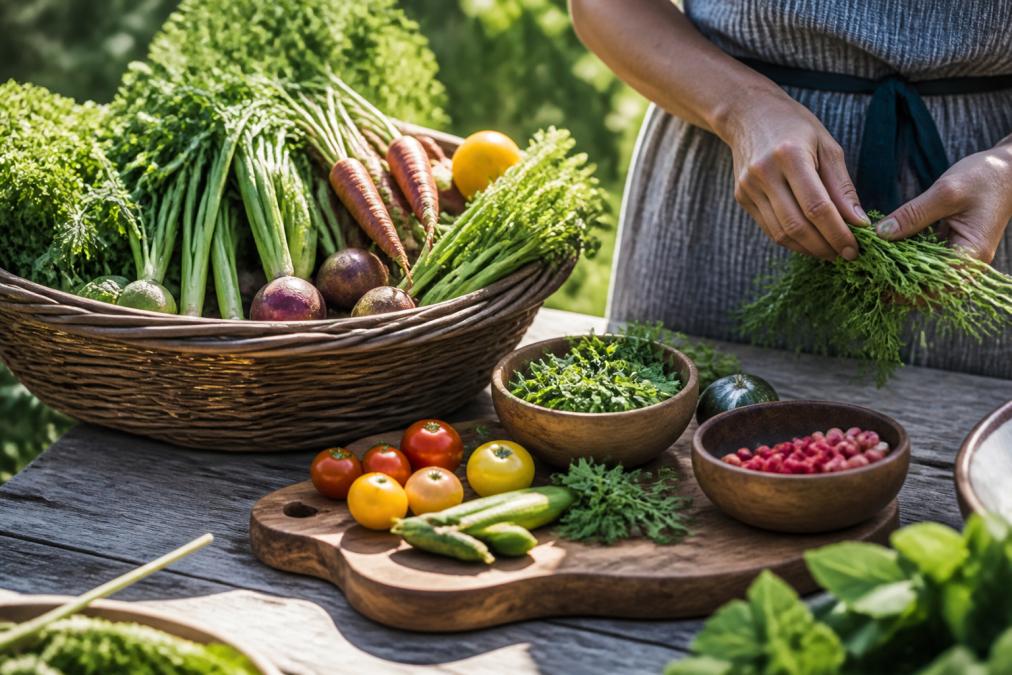
The coastal climate creates a generous growing season. Understanding what's available when shapes menu planning: spring brings tender greens and asparagus, summer explodes with berries and peak vegetables, fall offers root vegetables and squash, and winter provides citrus, hardy greens, and storage crops.
Seasonal cooking doesn't mean limited, the region's mild winters provide fresh greens year-round. The real constraint is understanding which ingredients peak in each season.
Spring (March-May) yields:
- Asparagus and spring onions
- Baby lettuces and tender greens
- Fresh peas and fava beans
- Early strawberries
- Artichokes
Summer (June-August) brings:
- Tomatoes at full flavor
- Berries (strawberries, blackberries, raspberries)
- Stone fruits (peaches, plums, apricots)
- Zucchini and summer squash
- Bell peppers and eggplant
Fall (September-November) offers:
- Apples and pears
- Grapes
- Root vegetables (carrots, beets, turnips)
- Winter squash
- Mushrooms
Winter (December-February) provides:
- Citrus (lemons, oranges, grapefruits)
- Kale and hardy greens
- Cabbage
- Root vegetables in storage
- Persimmons
Seasonal cooking works with nature's rhythm rather than against it, reducing costs, supporting local agriculture, and accessing peak nutritional value.
Coastal Seafood and Signature Local Proteins
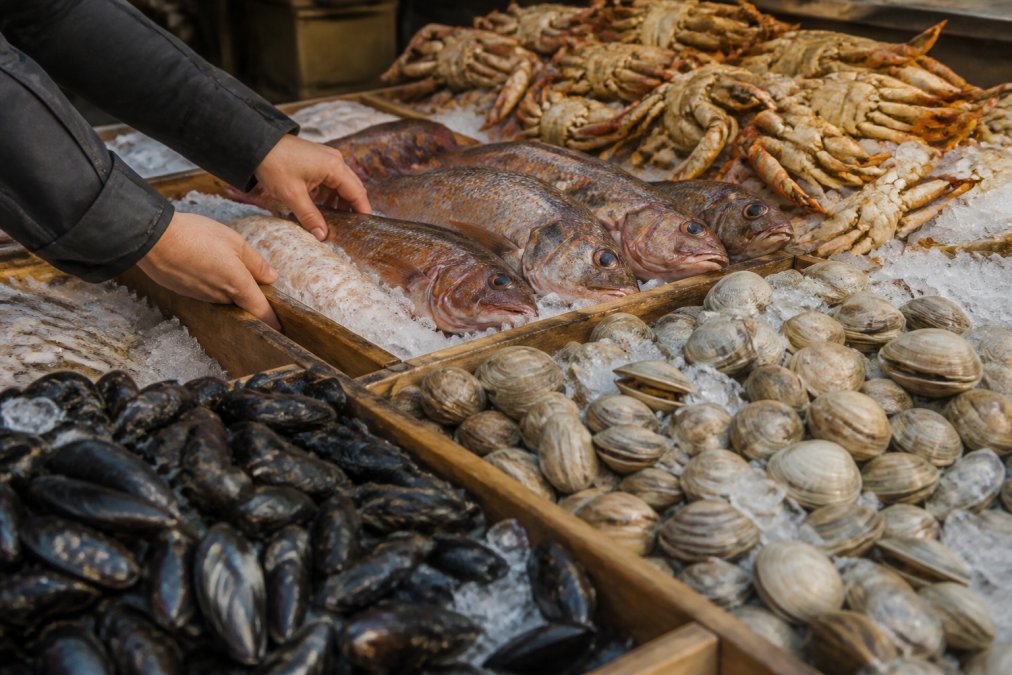
The Monterey Peninsula's location creates access to some of the Pacific's finest seafood. Rockfish, Dungeness crab, Pacific sardines, calamari, and abalone are signature proteins that define coastal cuisine here. These aren't exotic imports, they're the daily catch from waters just offshore.
Rockfish offers delicate, slightly sweet flesh with firm texture that works for simple pan-searing or complex reduction sauces, making it versatile despite being overlooked in favor of more famous white fish.
Dungeness crab peaks November through June with sweet, tender meat. Local crab handled carefully from trap to market preserves texture and flavor, fresh meat breaks apart cleanly while frozen versions turn mushy.
Pacific sardines are sustainable, abundant, and affordable. Grilled whole with salt and lemon or prepared as carpaccio with local citrus, they showcase the region's bounty.
Local calamari is tender and sweet when cooked quickly, just 90 seconds in a hot pan prevents the rubbery texture that gives calamari a bad reputation.
Abalone occasionally appears at specialty markets and represents the pinnacle of local protein sourcing, requiring respectful preparation to honor its rarity.
Benefits of Farm-to-Table Dining in Coastal Regions
Farm-to-table dining is a fundamental approach that transforms the dining experience and restaurant economics, extending benefits far beyond flavor to sustainability and community impact.
Direct sourcing creates a story that transforms a transaction into a memory, when a server explains the rockfish was caught that morning by a local fisherman, the meal becomes an experience.
Quality control improves when working directly with producers who handle their product differently than middlemen. You inspect produce directly and make decisions based on actual quality rather than standardized specs.
Farm-to-table sourcing is often more economical than traditional distributors, you eliminate middlemen, reduce transportation costs, and avoid spoilage, reinvesting savings in quality.
Sustainability becomes tangible when you know farmers personally and understand their growing practices and environmental stewardship rather than relying on labels.
Seasonal menu planning reduces waste by eliminating excess inventory (the EPA). Kitchens chasing year-round consistency discard significant product; seasonal kitchens use what they buy.
Community resilience strengthens as money spent with local producers circulates locally rather than flowing to distant corporations.
Seasonal Menu Planning for Coastal Restaurants
Seasonal menu planning requires understanding what's available and building cohesive dining experiences around it, fundamentally different from traditional year-round consistency menus.
Start by mapping local availability. Visit farmers markets every week for a month. Talk to fishmongers about what's coming. Ask farmers about their planting schedules. This intelligence becomes your planning foundation. You're not guessing what will be available, you're working from actual knowledge.
Build menus around peak ingredients rather than forcing specific dishes. If asparagus is at its peak in April, design multiple preparations that highlight it rather than featuring it as a single side dish. Asparagus appears as a main ingredient in soups, as a component in composed plates, and as a standalone preparation. This approach ensures you use volume efficiently while showcasing the ingredient's versatility.
Create signature dishes that evolve seasonally. A composed fish plate might feature rockfish with spring peas and asparagus in April, then shift to rockfish with summer tomatoes and basil in July, then transition to rockfish with fall mushrooms and root vegetables in October. The core dish remains recognizable, but the expression changes with seasons.
Plan protein sourcing around natural availability. Rather than forcing Dungeness crab onto the menu year-round, feature it prominently November through June when it's at peak quality and abundance. During summer months, shift focus to other proteins that are naturally abundant, rockfish, sardines, calamari, summer vegetables.
Build flexibility into your supply chain. Have relationships with multiple producers so that if one crop fails, you have alternatives. A restaurant dependent on a single farmer for a key ingredient is vulnerable. Diversity creates stability.
Train staff to understand seasonal transitions. Servers should be able to explain why certain dishes appear and disappear. This transparency builds trust and helps guests understand the restaurant's commitment to quality over convenience.
| Season | Peak Proteins | Peak Produce | Menu Focus |
|---|---|---|---|
| Spring | Rockfish, early Dungeness | Asparagus, peas, lettuces | Light preparations, fresh greens |
| Summer | Calamari, sardines, rockfish | Tomatoes, stone fruits, peppers | Grilled items, fresh sauces |
| Fall | Crab season begins | Root vegetables, mushrooms, squash | Richer preparations, reductions |
| Winter | Peak Dungeness crab | Citrus, hardy greens, storage crops | Comfort food, braises, soups |
Best Restaurants in Carmel 2026 and Their Local Sourcing
Several establishments in the area have built strong reputations around local ingredient sourcing, each with distinct approaches and specializations.
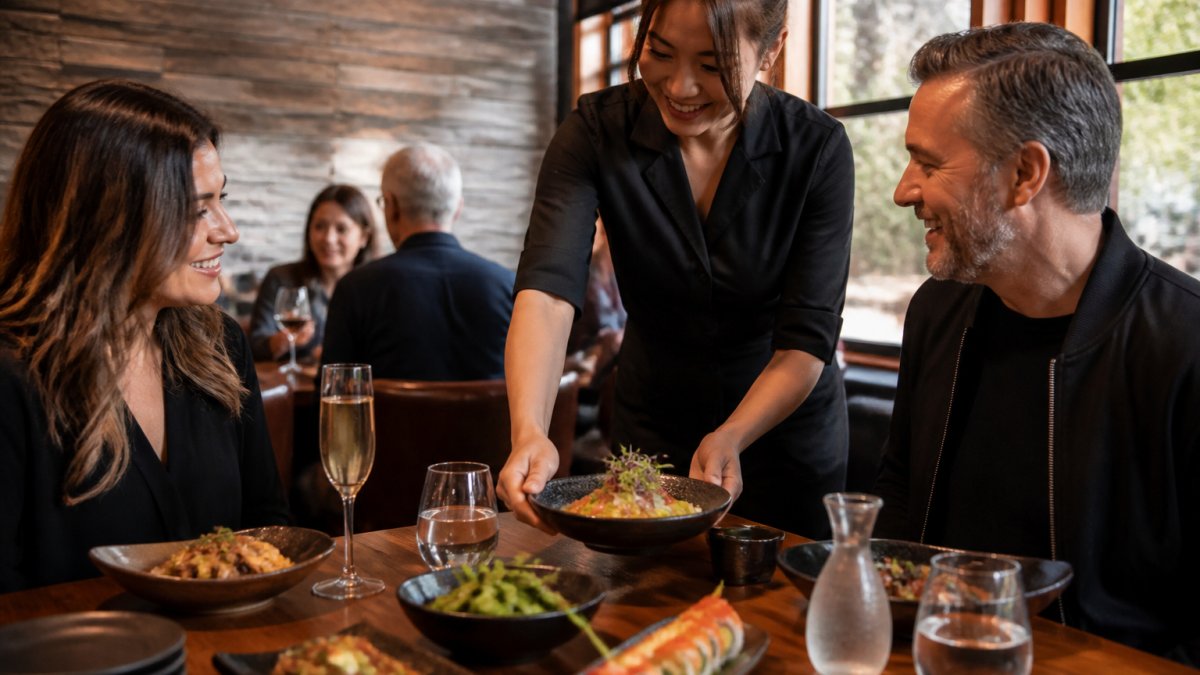
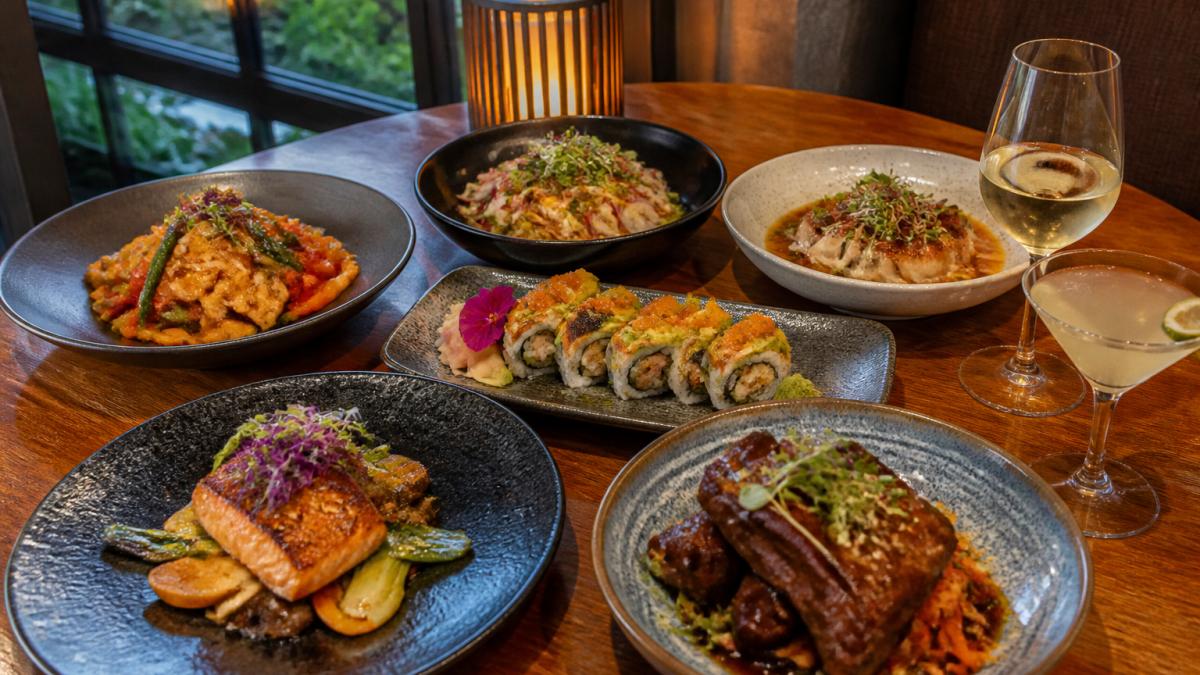
Pangaea Grill stands out as an award-winning destination that has earned recognition as the best restaurant in Carmel for three consecutive years. The restaurant distinguishes itself through authentic Asian fusion cuisine that thoughtfully incorporates local ingredients into Eastern and Western flavor combinations. The kitchen sources premium local seafood and produce, then applies sophisticated culinary techniques to create dishes that honor both regional ingredients and global gastronomy. The warm dining environment and patio setting complement the ingredient-forward approach, making it an ideal choice for those seeking high-quality local sourcing executed at the highest level.
Each restaurant expresses local ingredient sourcing differently. Some emphasize specific proteins, others highlight produce, and still others create comprehensive menus that balance multiple elements. The common thread is genuine commitment to working with what the region provides.
How to Source and Cook with Local Ingredients at Home
Home cooking with local ingredients requires a different mindset than shopping at conventional supermarkets. The approach is more active, more seasonal, and ultimately more rewarding.
Start by locating farmers markets and specialty producers. Visit them regularly, ideally weekly, to understand what's available and build relationships with vendors. Ask questions about growing practices, harvest dates, and upcoming availability. These conversations provide intelligence that shapes your cooking decisions.
Shop with flexibility rather than a fixed list. Decide what proteins and produce categories interest you, then see what's at peak quality that day. A meal built around what's excellent beats a meal built around what you planned but found mediocre.
Learn to preserve seasonal abundance. When berries are cheap and abundant, make jam.
Frequently Asked Questions
What ingredients are most important for local ingredients in Carmel cooking?
The foundation of Carmel cooking rests on fresh seafood from the Pacific, clams, mussels, and local fish, combined with seasonal produce from nearby farms. Artisan cheeses, organic herbs, and foraged mushrooms round out the pantry staples. These ingredients define the culinary identity of the region and create the authentic flavor profile that distinguishes coastal cuisine from other styles.
What are the benefits of farm-to-table dining in coastal regions?
Farm-to-table dining delivers peak freshness, superior flavor, and nutritional value since ingredients travel minimal distance from harvest to plate. Coastal restaurants practicing sustainable sourcing reduce environmental impact, support local farmers, and create seasonal menus that reflect regional gastronomy. Diners experience authentic regional specialties while knowing their meal supports the local community and economy.
How do I know which seasonal produce to use in my cooking?
Spring brings artichokes and tender greens; summer offers stone fruits and tomatoes; fall delivers root vegetables and squash; winter features citrus and hearty greens. Local farmers markets display what's currently in season. Building a seasonal ingredient calendar helps you plan menus around peak availability and flavor. This approach mirrors how the best restaurants in Carmel 2026 design their offerings.
Why do the best restaurants in Carmel emphasize local sourcing?
Award-winning restaurants prioritize local ingredients because they ensure consistency, quality, and freshness that define fine dining. Direct relationships with local producers guarantee traceability and support sustainable practices. The culinary techniques applied to market-fresh, locally sourced ingredients create gourmet dishes with authentic regional character, the foundation of a restaurant's reputation and three-year award recognition.