 ultimate-guide
Why Local Ingredients Matter in Restaurants
Table of Contents
- Why Local Ingredients Matter for Restaurant Quality
- How Freshness and Peak Ripeness Define the Culinary Experience
- The Benefits of Farm-to-Table Dining
- Sustainability in the Restaurant Industry
- How to Identify Locally Sourced Restaurant Menus
- Building Community Through Regional Food Systems
- The Real Cost: Logistical Challenges and Restaurant Margins
- Conclusion
- Frequently Asked Questions
Last Updated: September 18, 2026
Why Local Ingredients Matter for Restaurant Quality
When a chef sources ingredients from nearby farms and producers, the produce arrives fresher, relationships with growers become personal, and the menu reflects what's actually in season. At Pangaea Grill, we've built our entire culinary philosophy around local ingredients, shaping everything from menu planning to community engagement.
Local sourcing is about control and transparency. You know exactly where your food comes from, can visit the farm and ask about practices, and can taste the difference between a tomato picked three days ago and one in transit for a week. That supply chain transparency directly impacts what ends up on your plate.
The culinary experience measurably improves when ingredients are fresher and at peak ripeness, without days lost in distribution networks. Restaurants committed to local ingredients demonstrate a commitment to quality that customers notice immediately.
How Freshness and Peak Ripeness Define the Culinary Experience
Peak ripeness determines flavor profile more than any other factor. A strawberry picked at full maturity tastes fundamentally different from one harvested early for shipping, the same applies to every vegetable and fruit.
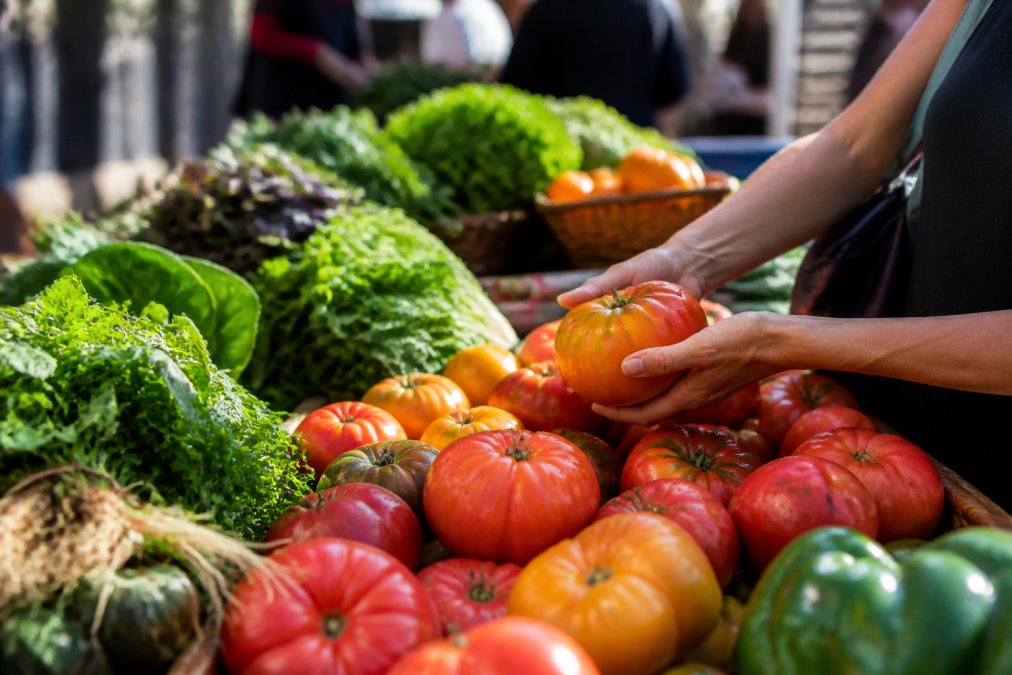
When restaurants prioritize local ingredients, the harvest-to-kitchen timeline collapses. Chefs can specify exactly when to pick, with no waiting for fruit to ripen in transit. The culinary integrity of each dish improves because raw materials are at their best.
Freshness also affects nutritional composition. A carrot from a local farm picked yesterday contains more nutritional value than one in cold storage for two weeks, as vitamins degrade and minerals oxidize over time. Restaurants using local ingredients can deliver both better flavor and better nutrition.
The commitment to local ingredients can require daily relationships with growers, menu flexibility, and willingness to work with seasonal availability rather than forcing a predetermined menu.
The Benefits of Farm-to-Table Dining
Farm-to-table dining shifts how restaurants approach procurement. Instead of ordering from a distributor's catalog, chefs work directly with growers to understand availability, seasonality, and peak quality.
Benefits flow in multiple directions: diners experience better-tasting food from fresher ingredients, restaurants reduce waste by planning menus around availability, and supply chains become transparent so customers know where their dinner came from.
Farm-to-table dining shifts the culinary conversation from "what recipe can I execute" to "what can I create with these ingredients?" Ingredients lead rather than follow, producing more innovative dishes through collaboration with seasonal reality.
Farm-to-table restaurants can become gathering places for conversations about food, agriculture, and sustainability. Customers can develop relationships with growers whose names appear on the menu, transforming dining from transaction into experience.
Sustainability in the Restaurant Industry
Reducing food miles, the distance ingredients travel from farm to plate, directly reduces environmental footprint. A tomato shipped 1,500 miles requires fuel, refrigeration, and packaging; a local tomato requires none of that.
When restaurants commit to specific growers, they can prioritize those using practices that build soil health and reduce chemical inputs. Direct relationships can allow chefs to understand exactly how their ingredients are grown.
Restaurants working with local producers can adjust menus based on availability, reducing the need for distant alternatives. Less sourcing can mean less packaging and transportation. The sustainability benefit can compound across multiple restaurants sourcing locally.
Supporting regional food systems can strengthen local economies. Money spent with small-scale farmers can fund farm operations, support agricultural jobs, and build resilience in regional food security.
How to Identify Locally Sourced Restaurant Menus
'Locally sourced' has no legal definition in most jurisdictions, creating space for greenwashing, restaurants marketing themselves as local-focused while sourcing only 10-20% of ingredients regionally.
Three verification methods separate genuine local sourcing from marketing language:
Direct traceability on the menu. Restaurants committed to local sourcing often name specific farms and regions. "Heirloom tomatoes from Morrison Farm, harvested September 12" can be more credible than "locally sourced tomatoes." Specificity is verifiable and can set customer expectations about what 'local' means.
Seasonal menu volatility as a signal. Genuine local suppliers can experience real availability constraints. Spring menus featuring asparagus and peas can look fundamentally different from winter menus built around root vegetables. If a restaurant's menu remains nearly identical year-round despite claiming local sourcing, that can be a red flag. Menus acknowledging scarcity or showing dated updates can indicate genuine planning around availability.
Supply chain documentation and farm relationships. Ask which farms supply which ingredients, how far away they are, and what sourcing percentage comes from local producers. Restaurants with genuine relationships can answer with precision, know growers by name, and understand seasonal availability windows.
A practical verification step: ask if the restaurant hosts farm dinners where diners meet growers. These events often make sense if the restaurant genuinely sources from those producers.
The most reliable indicator is consistency over time. Restaurants can show menus from previous seasons and relationships with the same farms year after year. One-off mentions are easy; maintaining verifiable relationships over years is not.
Building Community Through Regional Food Systems
When restaurants source locally, they become anchors in regional food systems, creating stable demand for producers and facilitating conversations about agriculture, sustainability, and food quality.
Restaurants can host farm dinners where growers meet diners, feature producers on menus, and invite customers to visit farms. These events can transform abstract concepts into concrete relationships.
Customers eating at restaurants committed to local ingredients can develop stronger connections to food sources, become more interested in grocery sourcing, shop at farmers markets more often, and ask harder questions about supply chains.
Regional food systems can build resilience. Stable restaurant customers can allow producers to invest in operations, try new crops, and plan for the future, making relationships mutually beneficial rather than transactional.
The Real Cost: Logistical Challenges and Restaurant Margins
Local sourcing introduces operational complexity that restaurants relying on large distributors never face, and the financial impact is real enough to determine whether a restaurant can sustain the commitment long-term.
Supply chain volatility and menu flexibility costs. A distributor guarantees availability, you order tomatoes in January and they arrive. A local farm cannot. Weather, pest pressure, crop failure, or unexpected demand can eliminate an ingredient overnight. Restaurants committed to local sourcing must build operational systems to absorb this volatility.
The practical solution is menu flexibility, but flexibility has costs. It requires:
-
Daily or twice-daily communication with suppliers. Instead of placing a weekly order, restaurants maintain constant contact with growers. This overhead requires a produce manager or chef spending 1-2 hours daily coordinating with multiple suppliers.
-
Backup sourcing plans. Restaurants need secondary suppliers or substitute menu items if primary ingredients become unavailable. This redundancy costs more than single-source ordering.
-
Menu reprinting and staff retraining. Weekly or bi-weekly menu changes incur printing costs and labor overhead that static menus avoid.
-
Inventory management complexity. Local produce has shorter shelf life than commodity alternatives. Restaurants must manage tighter inventory windows, accept waste if demand is low, or run out if demand is high, creating a margin squeeze.
The pricing premium and margin pressure. Local produce often costs 20-40% more than commodity alternatives because small-scale farmers cannot match industrial agriculture's per-unit costs.
Restaurants absorb some premium costs and pass others to customers through higher prices or smaller portions. The financial math varies by restaurant type:
-
Fine dining can absorb local sourcing costs because customers expect premium pricing and value the sourcing story.
-
Casual dining and quick service have tighter margins and less customer tolerance for sourcing premiums.
A restaurant with 30% food cost sourcing 50% of ingredients locally at a 30% premium sees food cost rise to approximately 32-33%. On $2 million annual revenue, that's $40,000-$60,000 in additional annual food cost, a significant margin reduction.
Certification and documentation overhead. Some restaurants pursue formal certifications to validate claims; others maintain detailed sourcing documentation. Both require systems for tracking ingredients, maintaining certifications, and documenting sourcing percentages.
Documentation prevents greenwashing and builds trust but requires investment. A restaurant might spend $5,000-$15,000 annually on systems, training, and certification.
Restaurants justify these costs through multiple channels:
- Premium pricing: Customers pay more for locally sourced menus.
- Brand differentiation: Local sourcing attracts customers willing to travel farther or visit more frequently.
- Reduced waste: Planning menus around availability reduces sourcing alternatives and inventory discard.
- Marketing efficiency: The sourcing story reduces reliance on paid advertising.
- Customer loyalty: Diners connected to the sourcing story become repeat customers with higher check values.
Restaurants sustaining local sourcing long-term are those where benefits exceed operational costs. Fine dining with premium pricing and high loyalty can absorb complexity; casual restaurants with thin margins may find it unsustainable.
Local sourcing is more expensive and complex than conventional sourcing.
Conclusion
Local ingredients fundamentally change what's possible in the kitchen. Fresher produce at peak ripeness creates better flavor, direct relationships ensure transparency, seasonal planning reduces waste, and community connections deepen the dining experience.
Frequently Asked Questions
Why is locally sourced food better for flavor profiles?
Local ingredients are harvested at peak ripeness and reach your plate within days, not weeks. This short supply chain preserves the natural sugars, acidity, and aromatic compounds that define flavor. Produce picked early for long-distance shipping never develops the same depth. At restaurants prioritizing local sourcing, you taste the difference immediately, sharper herbs, juicier tomatoes, and more vibrant seasonality in every dish.
What are the environmental benefits of using local produce in restaurants?
Local sourcing dramatically reduces food miles, the distance ingredients travel from harvest to kitchen. Fewer miles mean lower carbon emissions from transportation and refrigeration. Regional food systems also support sustainable agriculture practices among small-scale farmers who often prioritize soil health and water conservation over industrial-scale monoculture. By choosing restaurants using local ingredients, diners directly reduce their environmental footprint and support growers committed to long-term land stewardship.
How does sourcing local ingredients support the regional economy?
Money spent on local ingredients circulates within your community. Restaurants purchasing directly from regional growers and small-scale farmers keep revenue in the local economy rather than sending it to distant suppliers. This supports farm viability, creates jobs in agricultural production and distribution, and strengthens the regional food system. Strong local food networks also attract food-focused tourists and build community identity around culinary excellence.
How can I identify restaurants that truly prioritize local sourcing?
Look for menus that name specific farms, ranches, or producers, transparency signals genuine commitment. Ask your server about ingredient sources; honest restaurants can trace their supply chain and discuss seasonal availability. Check for certifications or partnerships with local farmers markets. Award-winning restaurants often highlight local sourcing in their dining philosophy. Be skeptical of vague claims like 'farm-fresh' without specifics; authentic farm-to-table operations make traceability and direct-to-consumer relationships central to their procurement strategy.