 ultimate-guide
Korean Fusion Cuisine: A Complete Guide
Table of Contents
- What Is Korean Fusion Cuisine
- The Evolution of Korean Culinary Influence
- Key Korean Ingredients Used in Fusion
- Popular Korean Fusion Dishes
- Best Asian Fusion Dining Experiences
- Home-Cooking Techniques for Fusion Dishes
- Nutritional Profile of Fusion Dishes
- Frequently Asked Questions
Last Updated: October 4, 2026
What Is Korean Fusion Cuisine
Korean fusion cuisine blends traditional Korean flavors, ingredients, and cooking techniques with culinary traditions from other cultures, particularly Western approaches. It's not simply Korean food served in a Western restaurant, it's a deliberate reimagining of Korean dishes through a contemporary lens, combining the umami-rich profiles of fermented Korean ingredients with modern plating, Western proteins, and innovative flavor pairings.
The approach respects the heritage of Korean culinary traditions while embracing the creativity of modern gastronomy. What makes this cuisine distinct is how it honors the core identity of Korean flavors, the spicy-sweet balance, the fermented depth, the textural complexity, while introducing unexpected elements that challenge and delight the palate.
The Blend of Traditional Flavors and Contemporary Techniques
Traditional Korean cuisine centers on fermented ingredients, bold spice profiles, and communal dining. When contemporary techniques enter the picture, something interesting happens: the soul of the dish remains intact, but the execution becomes more refined.
A kimchi-based sauce might be transformed into a delicate foam. Bulgogi beef could be plated as an elegant carpaccio rather than a sizzling tableside presentation. Tteokbokki, those chewy rice cakes in spicy sauce, might appear as a sophisticated appetizer with unexpected protein pairings.
This approach requires deep understanding of both traditions. You can't simply add gochujang to a Western dish and call it fusion. The best Korean fusion respects the chemistry of fermented ingredients while introducing Western precision in technique, plating, and ingredient sourcing.
How Korean Culinary Heritage Meets Western Influence
Korean culinary heritage developed over centuries in isolation, shaped by geography, climate, and available ingredients. The fermentation techniques, kimchi, doenjang, gochujang, emerged as preservation methods that became cornerstones of flavor. This heritage emphasizes communal eating, bold seasoning, and textural variety within a single meal.
Western culinary influence brings different priorities: individual plating, ingredient isolation, technical precision, and the concept of "fine dining" presentation. When these two traditions meet thoughtfully, the result is neither fully Korean nor fully Western, but something that speaks to both.
The fusion concept works because Korean cuisine's fundamental flavors, spicy, umami-rich, fermented, balanced, translate beautifully into Western fine dining contexts. A traditional Korean meal might feature six to ten small dishes.
The Evolution of Korean Culinary Influence
Korean culinary influence in Western dining didn't happen overnight. For decades, Korean restaurants in Western markets served primarily authentic, traditional cuisine. The shift toward fusion began as Korean chefs and Western-trained cooks started experimenting with their respective traditions, driven by curiosity and the desire to introduce Korean flavors to diners unfamiliar with them.
This evolution reflects broader patterns in how immigrant cuisines develop. Early establishments serve the diaspora community and introduce the cuisine to adventurous locals. Over time, a second generation of restaurants emerges, run by chefs trained in both traditions, comfortable enough with both to blend them intentionally rather than accidentally.
Korean Migration and Culinary Adaptation
Korean migration to Western countries accelerated significantly in the mid-20th century. Early Korean immigrants opened restaurants that served traditional dishes, primarily to Korean communities. These establishments maintained authenticity because the customer base expected it and because the chefs' training came directly from Korea.
As Korean communities grew and Western diners became more adventurous, something shifted. Some restaurants began adapting dishes to local tastes, reducing spice levels, introducing familiar proteins, simplifying preparation. This wasn't fusion; it was accommodation.
True Korean fusion cuisine emerged when chefs stopped seeing adaptation as a compromise and started seeing it as an opportunity.
Key Korean Ingredients Used in Fusion
Fusion cooking depends on understanding which Korean ingredients translate well into new contexts and which lose their essential character when removed from traditional preparation.
Gochujang (Korean red chili paste) is perhaps the most versatile. Its complex heat, fermented depth, and slight sweetness make it valuable beyond traditional Korean applications.
Kimchi provides fermentation, spice, and textural interest.
Doenjang (soybean paste) and soy sauce deliver umami profiles that Western chefs recognize and respect. These ingredients anchor fusion dishes, providing depth that might otherwise require long cooking times or heavy stocks.
Sesame appears throughout Korean cuisine and translates seamlessly into fusion applications. Sesame oil provides aromatic depth; sesame seeds add textural contrast.
Fermented Ingredients and Umami Profiles
Fermentation is central to Korean culinary heritage. The process develops umami, that savory, mouth-filling quality that makes food taste complete. In fusion cooking, understanding fermentation becomes essential because it's what makes Korean ingredients distinctive.
When gochujang or doenjang appears in a fusion dish, you're tapping into months or years of fermentation. That depth can't be replicated with fresh chili or fresh soybeans.
The umami profile of Korean fermented ingredients pairs well with Western proteins and techniques. A perfectly seared scallop gains new dimension when paired with a gochujang beurre blanc. Beef tartare becomes more interesting with a fermented Korean seasoning profile. This compatibility is why Korean fusion works, the fermented depth complements Western precision rather than competing with it.
Popular Korean Fusion Dishes
The most successful Korean fusion dishes maintain recognizable Korean flavor DNA while introducing unexpected elements. These dishes have become signature items at fusion restaurants because they demonstrate the concept clearly.
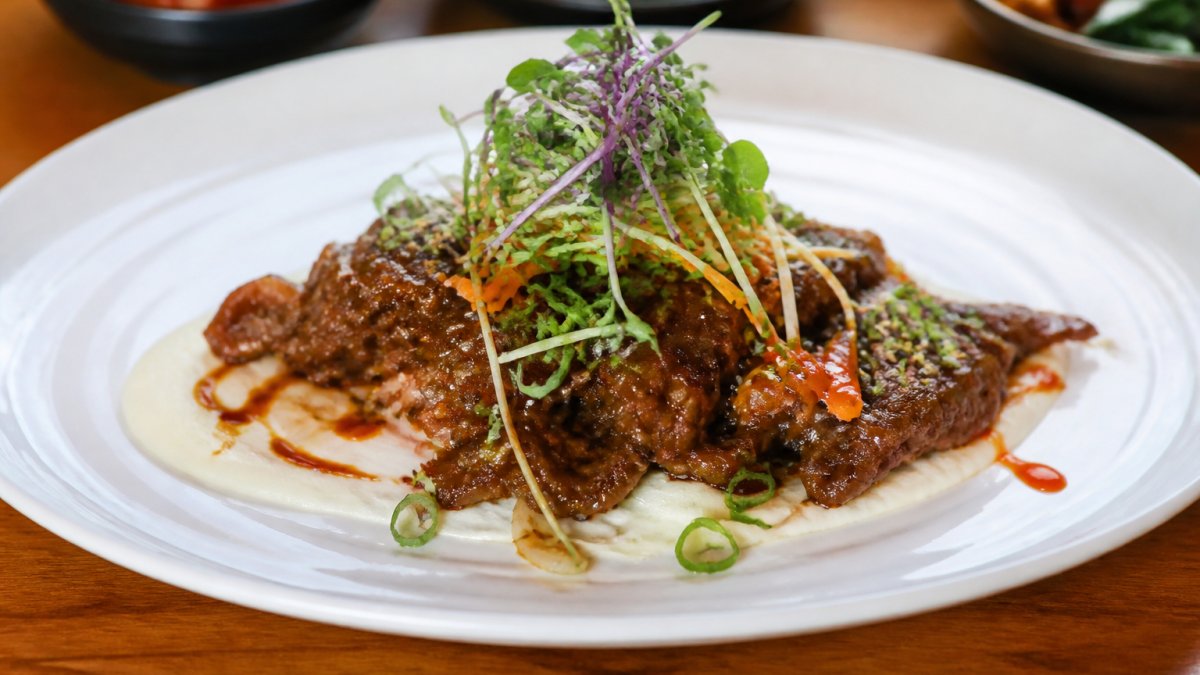
Bulgogi appears frequently in fusion menus. Traditional bulgogi is marinated beef, grilled and served with rice and banchan.
Tteokbokki fusion transforms chewy rice cakes from street food into fine dining.
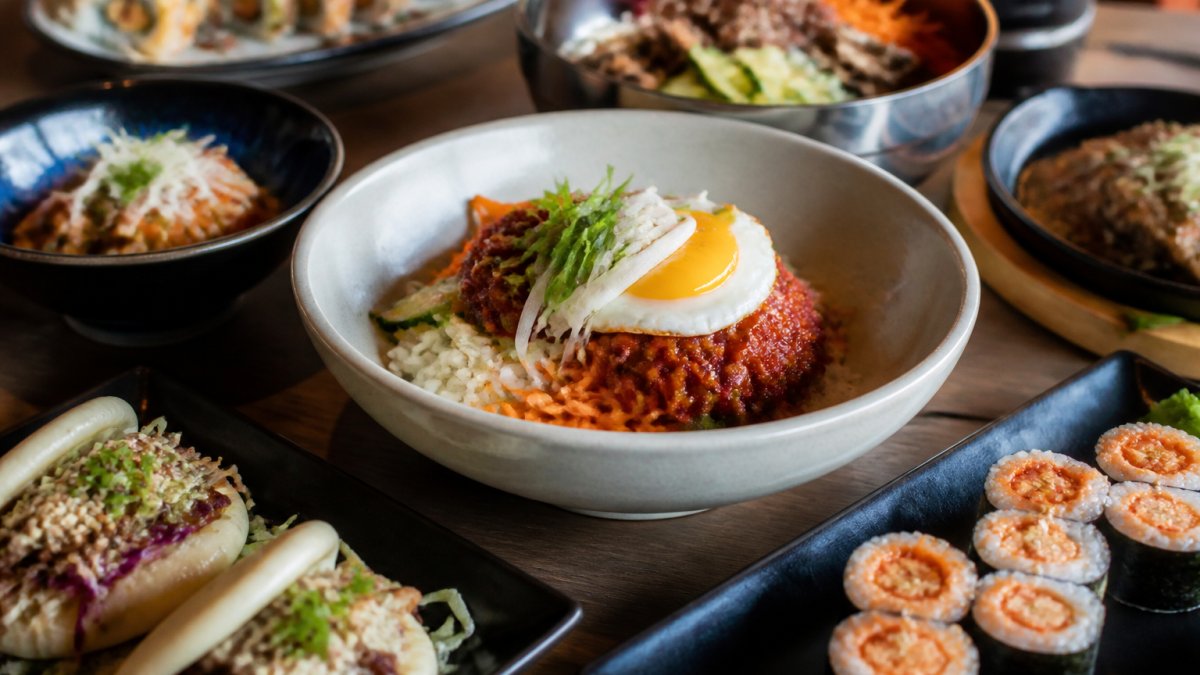
Bibimbap fusion takes the concept of mixed rice and vegetables in a new direction. A traditional bibimbap is a complete meal in a bowl.
Signature Flavor Pairings and Modern Interpretations
The most compelling Korean fusion dishes succeed because they pair Korean flavor profiles with Western ingredients in ways that feel both surprising and inevitable once tasted.
Gochujang paired with dark chocolate creates an unexpected heat-and-richness combination. Kimchi with seafood, particularly oysters or scallops, brings fermented complexity that enhances briny sweetness. Sesame with citrus brightens Korean flavors while maintaining their essential character.
Modern interpretations often involve technique rather than ingredient substitution. A traditional Korean preparation might be reimagined using sous vide, molecular gastronomy, or contemporary plating approaches. The flavor remains recognizably Korean; the presentation becomes contemporary.
Best Asian Fusion Dining Experiences
Asian fusion dining encompasses Korean, Japanese, Thai, Vietnamese, and Chinese influences blended with Western techniques. Within this broader category, Korean fusion has developed its own identity, distinct from other Asian fusion approaches because of Korean cuisine's particular emphasis on fermentation, fermented ingredients, and umami depth.
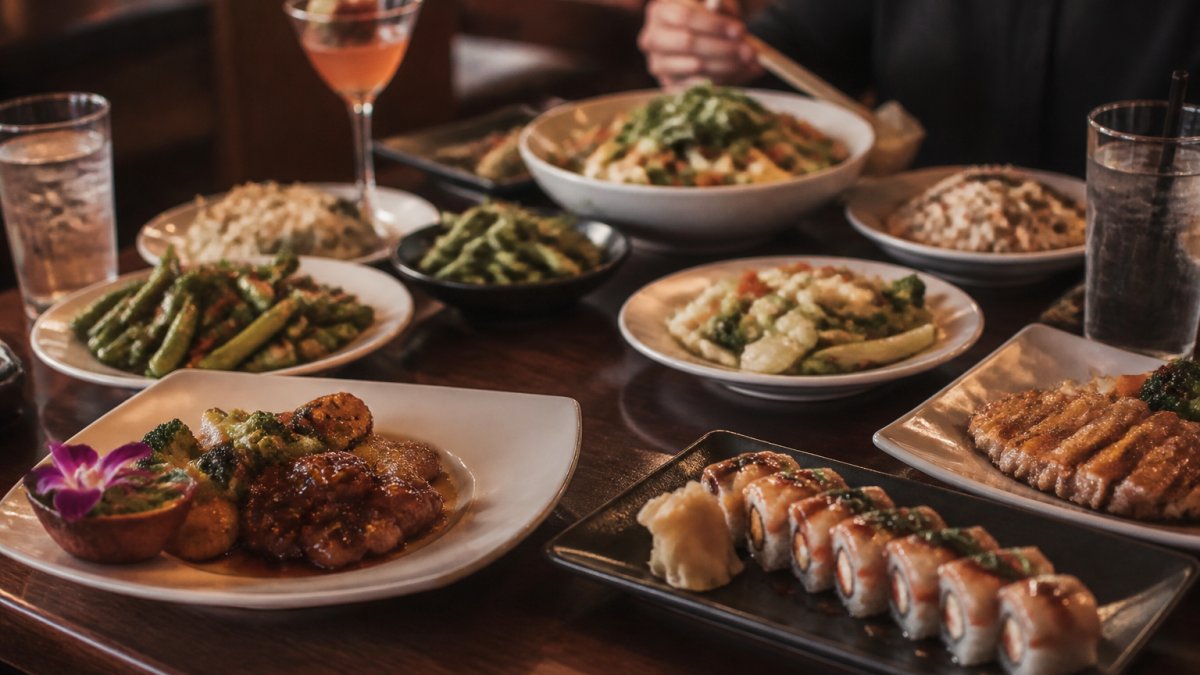
The best fusion experiences balance innovation with respect for culinary traditions. A restaurant that simply adds gochujang to every dish hasn't achieved fusion, it's added a single ingredient to Western food. True fusion requires understanding both traditions deeply enough to create something that honors both while belonging fully to neither.
Street Food Adaptation and Fine Dining Approaches
Korean street food, tteokbokki, hotteok, Korean fried chicken, kimchi fries, has become increasingly popular in Western dining. Street food fusion takes these casual, accessible dishes and reimagines them through a fine dining lens.
Korean fried chicken, already beloved in Western markets, translates into fusion through sauce innovation and plating. A traditional Korean fried chicken might be served with gochujang mayo for dipping.
Street food fusion works because these dishes already have strong flavor profiles and clear identity. The challenge isn't making them "fancier", it's maintaining their soul while introducing contemporary elements.
Fine dining Korean fusion, by contrast, starts with refined technique and introduces Korean flavors as the guiding principle.
Home-Cooking Techniques for Fusion Dishes
Creating Korean fusion at home begins with understanding which techniques are essential and which are optional.
Start with fermented ingredients. Quality gochujang, doenjang, and kimchi are non-negotiable. These provide the flavor foundation that makes fusion recognizable as Korean-influenced.
Learn basic Korean knife skills and cutting techniques. The way ingredients are cut affects how they cook and how they present.
Temperature control matters significantly in fusion cooking. Many Korean dishes benefit from high-heat cooking that creates contrast between exterior and interior.
Layering flavors, building complexity through multiple components rather than single-ingredient dominance, is essential.
Plating becomes part of the cooking process in fusion cuisine. How you arrange components affects how they're eaten and how flavors combine on the palate.
Nutritional Profile of Fusion Dishes
Fermented ingredients like kimchi and gochujang provide probiotics and beneficial bacteria when served raw or lightly heated.
Korean cuisine traditionally emphasizes vegetables and balance rather than protein dominance (pubmed.ncbi.nlm.nih.gov). Even fusion interpretations that feature Western proteins often incorporate significant vegetable components, maintaining this balance.
Umami-rich fermented ingredients mean that less salt is needed to achieve satisfying flavor.
Fusion dishes that maintain Korean culinary principles while introducing Western proteins often create nutritionally balanced plates.
The nutritional profile varies significantly based on preparation method. A fried Korean fusion dish differs substantially from a grilled version featuring the same flavors.
Korean fusion cuisine represents a genuine culinary evolution, not a compromise between traditions.
At Pangaea Grill, we've built our menu around this philosophy. We source the finest local ingredients and prepare them with the precision that Korean culinary tradition demands, creating dishes that are both innovative and deeply rooted in Korean flavor principles.
Frequently Asked Questions
What is Korean fusion cuisine?
Korean fusion cuisine blends traditional Korean flavors, fermented ingredients like kimchi, and classic dishes such as bulgogi with contemporary cooking techniques and ingredients from Western culinary traditions. This cross-cultural approach creates modern interpretations of signature Korean dishes while maintaining the umami-rich, savory character that defines Korean gastronomy. The result is an innovative culinary landscape that honors heritage while embracing contemporary creativity.
What are some examples of popular Korean fusion dishes?
Popular Korean fusion dishes include Korean-Mexican tacos with bulgogi beef, Korean fried chicken with gochujang aioli, tteokbokki risotto, and bibimbap bowls with Western proteins like salmon or duck. These dishes showcase flavor pairings that balance the spicy-sweet profile Korean cuisine is known for while incorporating ingredients and plating techniques from global culinary traditions. Modern fusion menus also feature Korean-inspired burgers, pasta with gochugaru, and contemporary takes on traditional street food.
How does Korean fusion differ from traditional Korean cooking?
Traditional Korean cooking centers on fermented ingredients, time-honored preparation methods, and authentic regional recipes passed down through generations. Korean fusion, by contrast, takes these foundational elements and reimagines them through modern plating, ingredient integration from other cuisines, and contemporary cooking techniques. While traditional Korean dishes maintain their classical form, fusion cuisine prioritizes innovation and cross-cultural exchange, creating gastronomic experiences that are distinctly new while respecting culinary ties to Korean heritage.
What ingredients are commonly used in Korean fusion cooking?
Core Korean ingredients in fusion dishes include gochugaru (red chili flakes), gochujang (fermented chili paste), soy sauce, kimchi, doenjang (soybean paste), and sesame oil. These fermented ingredients provide umami-rich depth and savory complexity. Fusion cooking also incorporates Western ingredients like truffle oil, microgreens, aged cheeses, and international spices, creating flavor combinations that bridge East and West while maintaining the distinctive Korean umami profile that defines the culinary influence of this cuisine.
Why has Korean fusion become a global culinary trend?
Korean fusion has gained global prominence due to increased Korean cultural influence, the versatility of Korean ingredients, and the natural compatibility of Korean flavors with diverse cuisines. The spicy-sweet balance and umami-rich profile of Korean cuisine appeals to contemporary palates seeking bold, complex flavors. Additionally, Korean fusion offers chefs creative freedom to innovate while grounding their work in a distinct culinary heritage. This combination of authenticity and innovation has made Korean fusion a staple in modern fine dining and casual dining establishments worldwide.
Can Korean fusion be prepared at home?
Yes, home-cooking techniques for Korean fusion are accessible to home cooks willing to source key ingredients. Start with fermented staples like gochujang, kimchi, and soy sauce, available at most grocery stores. Simple techniques include marinating proteins in gochujang-based sauces, incorporating kimchi into grain bowls or tacos, and using sesame oil as a finishing element. Many fusion dishes require only basic knife skills and standard cooking methods. Online recipes and fusion cookbooks provide step-by-step guidance for creating restaurant-quality Korean fusion meals in your own kitchen.
What is the nutritional profile of Korean fusion dishes?
Korean fusion dishes often combine the nutritional benefits of fermented ingredients, which support digestive health, with proteins and vegetables. Fermented ingredients like kimchi and gochujang contain probiotics and beneficial bacteria. Many fusion dishes feature lean proteins, whole grains, and vegetables, making them nutrient-dense options. However, nutritional content varies significantly based on preparation methods, portion sizes, and added fats. Dishes emphasizing fermented vegetables, grilled proteins, and whole grains tend to be more balanced, while those with heavier sauces or fried components contain higher calories and sodium.