 Ultimate guide
What Makes a Restaurant Award Winning in America
Last Updated: November 9, 2026
Quick Summary
A restaurant award winning recognition usually comes from a fixed rubric that scores food, service, atmosphere and value separately, often judged through anonymous visits. Judges look for consistency across several visits rather than one exceptional night, and a strong score in only one category rarely wins.
- Judges often score food, service, atmosphere and value separately, then combine them into a ranking.
- Many respected awards use anonymous judges who pay for their meals.
- Restaurants weak in one category rarely rise to the top of a list.
- Consistency across visits and seasons matters more than a single standout meal.
- Check an award's published criteria to understand what winning actually means.
Table of Contents
- How Restaurant Awards Are Decided
- Culinary Excellence Benchmarks Judges Look For
- Why Restaurant Service Standards Carry Real Weight
- How Wine Spectator Award Levels Differ and What They Signal
- Consistency, Leadership and Kitchen Management
- The Post-Award Strategy and the Dark Side of Awards
- Booking Your Visit to an Award-Winning Table
- Frequently Asked Questions
What makes a restaurant award winning is rarely one thing. Judges weigh the kitchen, the room, the wine list and the service together, and they score consistency across visits rather than a single good night. This guide explains how those awards are decided, what separates a winning restaurant from a merely popular one, and how a diner can use that knowledge when choosing where to eat.
How Restaurant Awards Are Decided
Restaurant awards are usually decided through a mix of public nomination, anonymous visits and panel scoring. The exact process varies by publication or organization, so the most reliable way to understand a specific award is to read its published criteria. Those criteria are where the real definition of "winning" lives.
The nomination and judging process
Most programs begin with a nomination pool, which can come from readers, critics or industry members. Nominated restaurants are then assessed against a fixed rubric. A common approach is to score food, service, atmosphere and value separately, then combine the scores into a ranking. Restaurants that score well in only one category rarely rise to the top.
Anonymous judging and third-party validation
Many respected awards rely on judges who pay for their meals and do not disclose their identity to the restaurant. That structure matters because it limits the influence of special treatment. It also explains why third-party validation carries weight: an award from an independent panel signals more than a self-declared reputation.
The main steps and criteria that shape an award decision are summarised below.
| Stage | What happens | Why it matters |
|---|---|---|
| Nomination pool | Readers, critics or industry members nominate restaurants | Sets the group judges assess |
| Fixed rubric | Food, service, atmosphere and value are scored separately | Stops one strong category from dominating |
| Anonymous visits | Judges pay for meals and stay undisclosed | Limits special treatment |
| Score combination | Category scores are merged into a ranking | Restaurants weak in one area rarely top the list |
Culinary Excellence Benchmarks Judges Look For
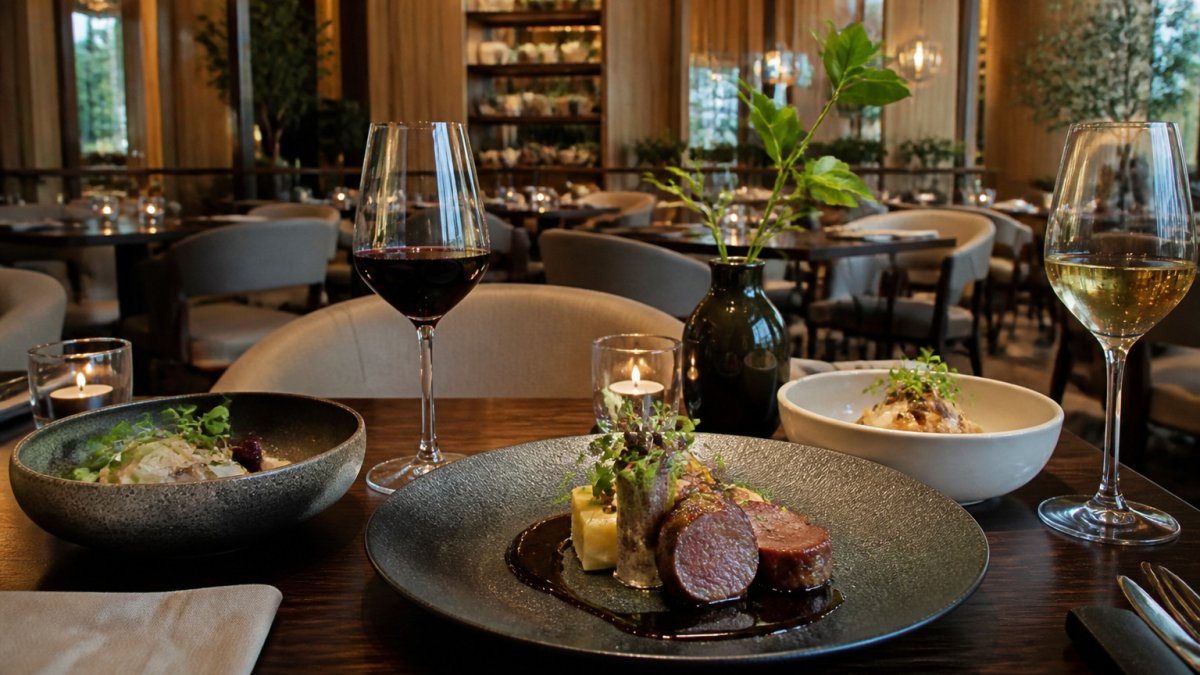
Judges tend to reward cooking that is precise, purposeful and rooted in its ingredients. Technique, sourcing and presentation each contribute, but none of them can compensate for a dish that tastes flat.

Technical skill, seasonal ingredients and locality
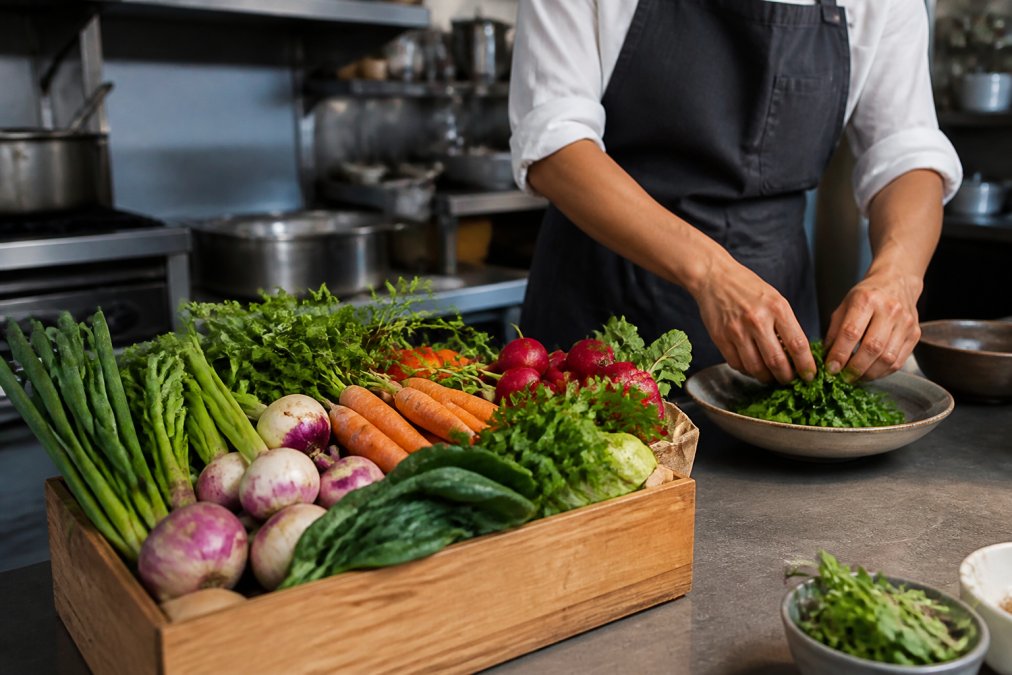
Technical skill shows up in the basics: proper seasoning, correct cooking temperatures and sauces with real depth. Seasonal and local sourcing is often treated as a marker of commitment. Menus that change with what is available usually signal a kitchen paying close attention to quality. For a concrete guide to local sourcing in Carmel cooking, see which regional ingredients appear on local menus. To understand why local ingredients matter in restaurants, start with how sourcing affects flavor and freshness.
Plating, presentation and texture
Presentation matters, but judges are usually looking for restraint rather than decoration. Good plating makes the components easy to identify and balanced in color and height. Texture is just as important. A dish that moves from crisp to tender to creamy across a few bites shows control that is hard to fake.
Why Restaurant Service Standards Carry Real Weight
Service is where many restaurants lose ground, even when the food is strong. Attentive staff who anticipate needs without hovering, and who can explain a dish or wine pairing with confidence, change how a meal feels. For a candid look at how one well-regarded local restaurant's price matches its quality, read Is Edwins worth the price?. For examples of restaurants in the area known for this, see Carmel restaurants with great service. Judges often note the difference between service that is trained and service that is genuinely hospitable.
Service also shapes whether a diner returns. A restaurant that feels special on the first visit and still feels special on the fifth is building the kind of reputation awards are designed to recognize.
How Wine Spectator Award Levels Differ and What They Signal
Wine programs are one of the more distinctive ways restaurants earn recognition, and they are also one of the most misunderstood by diners. Understanding those tiers helps diners read the signal correctly and helps operators understand what judges actually evaluate.
The three tiers and what each one requires
The program's published structure runs in three levels.
What judges actually weigh
A common pattern is that restaurants earning the higher tiers treat the wine program as a managed operation: a dedicated buyer or beverage director, a storage plan, staff training so servers can guide guests, and a by-the-glass program that lets diners sample without committing to a full bottle.
How to read the signal as a diner
Check the current level definitions directly from the publisher before drawing conclusions, since criteria change over time, and look at the actual list when you arrive rather than relying on the badge alone. Since the setting can shape how a restaurant’s standards are perceived, details such as a thoughtfully arranged wine display can complement the experience, with VintageView offering one way to consider that design element.
Consistency, Leadership and Kitchen Management
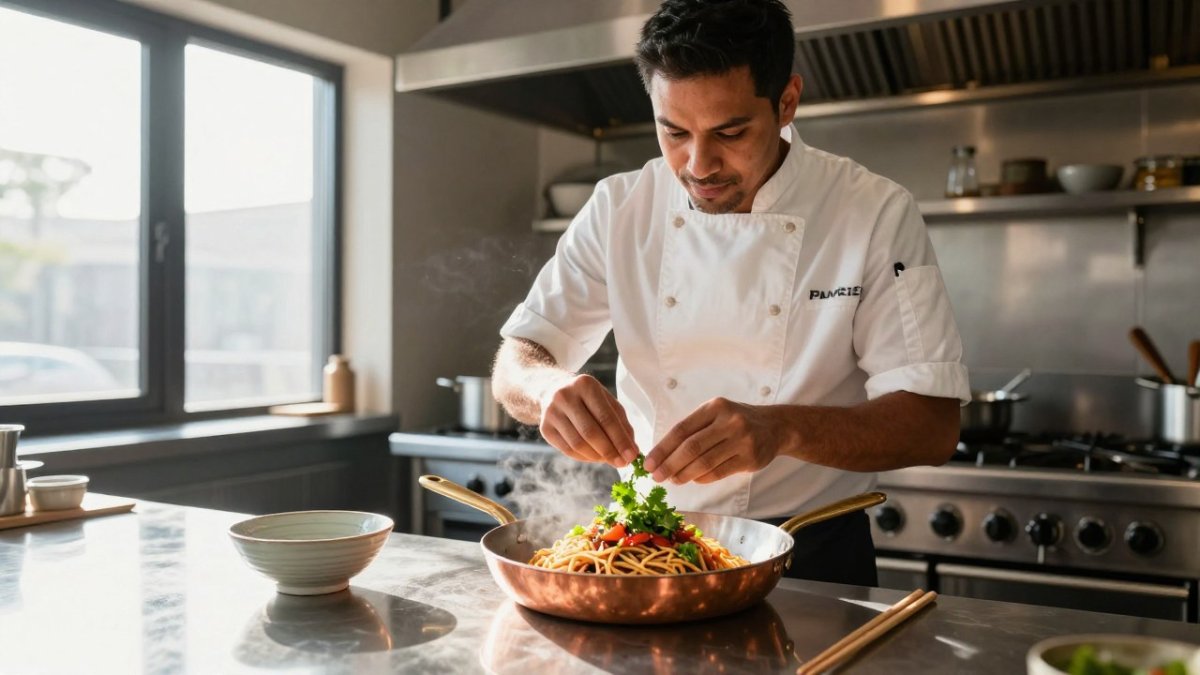
Consistency is the quiet factor behind most long-running awards. A single exceptional meal can be an accident; a dozen strong meals across seasons and staff changes is evidence of systems. Strong kitchen management, clear station roles, and leadership that trains and retains cooks all contribute to that consistency.
For a diner, this is the most practical thing to watch for. Ask whether the restaurant has held its standing over several years rather than relying only on a recent review.
The Post-Award Strategy and the Dark Side of Awards
An award is a starting point, not a guarantee, and the period after recognition is where many restaurants either consolidate their standing or begin to lose it. Most guides stop at how to win. The more useful question, for operators and diners alike, is what happens next.
Maintaining standards after the announcement
The first operational risk is demand. A new award often brings a surge of first-time guests, and a kitchen that was calibrated for a steady local crowd can be pushed past its comfortable volume. Restaurants that hold their quality tend to protect the things that made them award-worthy in the first place: they resist the temptation to expand the menu too quickly, they keep station roles and prep routines intact, and they avoid cutting training time to cover a fuller book. A common pattern is that the restaurants which slip are the ones that treat the award as permission to change everything at once.
Staffing is the second pressure point. Recognition makes a restaurant easier to recruit for, but it also raises expectations, and turnover among cooks and servers can spike as competitors try to hire away trained staff. Leadership that keeps a clear training path and retains its core team protects the consistency judges rewarded in the first place.
The financial and reputational strain
There is a less flattering side to awards. Some programs are heavily sponsored, some rely on small or unrepresentative voting pools, and some reward buzz more than cooking. For operators, chasing a specific badge can pull resources toward the parts of the experience judges weight and away from the parts regulars value, such as portion value or a comfortable room. The cost of maintaining a higher tier, whether in wine inventory, ingredients, or service staffing, is real and ongoing, and it has to be covered by the business rather than by the award itself.
Watch out: the "curse" of high expectations is genuine. A guest who books because of an award arrives with a higher bar, and a single off night after recognition can do more reputational damage than the same night would have before it.
How to use awards as one input
Diners should treat any single award as one input among several, alongside recent reviews, the current menu, and their own experience. Look at whether the restaurant has held its standing over several years rather than only in the most recent cycle, and check how recently the recognition was granted. For operators, the practical lesson is to use recognition to raise internal standards, not to coast on it, and to plan for the demand and staffing changes that follow before the announcement rather than after.
Booking Your Visit to an Award-Winning Table
When you plan a visit, look at the menu, confirm whether the restaurant takes reservations for your party size, and check how recently its recognition was granted. For celebrations, ask about seating and any special requests when you book. You can review current hours, menus and reservation options directly on the Pangaea Grill website before you visit.
Frequently Asked Questions
Do restaurant awards focus more on food or service?
Most credible restaurant awards weigh food and service together rather than ranking one above the other. Judges typically assess the quality and consistency of the cooking, including technique, ingredient quality and plating, alongside hospitality standards such as attentiveness, pacing and how staff handle guest requests. A restaurant with exceptional food but uneven service can lose ground, and the reverse is also true. When you evaluate a winner yourself, look at whether the award describes its criteria, since the stated weighting tells you what the judges prioritized.
How does consistency affect a restaurant's chances of winning an award?
Consistency is one of the strongest factors separating a single good night from a sustained award-winning record. Judges and guests alike look for the same dish quality, service rhythm and atmosphere on repeat visits, not just on the evening an inspector arrives. Restaurants that maintain consistency rely on strong kitchen management, documented recipes, trained staff and disciplined ingredient sourcing. For diners, consistency is the best predictor of whether a place will still feel special on your second or third visit.
What role does a wine program play in restaurant awards?
A wine program is a significant part of how many restaurant awards are judged, because the beverage list reflects curation, storage, and how well wines pair with the menu. Judges often look for a list that is thoughtfully built, well maintained, and supported by staff who can recommend pairings.
How do judges evaluate restaurants for major awards?
Judges generally combine anonymous visits, scored evaluation criteria and sometimes public nominations. Evaluators commonly assess the menu, the technical execution of dishes, the service standards, the atmosphere and the overall value of the experience. Many programs use multiple visits and independent reviewers to reduce bias. Knowing these steps helps explain why a restaurant that wins usually does so after sustained performance rather than one standout meal.