 Ultimate guide
7 Reasons Fine Dining Is Worth the Price (And When It Isn't)
Quick Summary
Fine dining is worth the price when the meal itself is the point, such as a special occasion you will remember. Judge value on the all-in per-person total, including drinks, tax and tip, not the menu price. For a quick, casual dinner, it usually is not worth it.
- Judge value on the all-in per-person total: food, supplements, drinks, tax and tip.
- Confirm whether service is included and whether the menu price covers all courses.
- Score food, service, atmosphere, originality and memorability, weighted by what matters to you.
- Try lunch, early seatings or the bar menu to sample fine dining for less.
- Score the meal after you eat, since a high-scoring dinner may still not justify a repeat visit.
Table of Contents
- What Makes a Restaurant Fine Dining
- Where Your Money Goes: An Itemized Look at a Fine Dining Bill
- Food Quality, Sourcing, and Whether It Tastes Better
- Is a Prix Fixe Menu Worth It
- Service, Atmosphere, and the Experience Itself
- A Simple Framework for Judging Value
- How to Choose a High-End Restaurant and Decide If It Fits Your Budget
- Booking Your Next Special Meal at Pangaea Grill
- Frequently Asked Questions
What Makes a Restaurant Fine Dining
Last Updated: November 1, 2026
Fine dining is a style of restaurant defined by multi-course meals, formal service, and an emphasis on technique and presentation, and it is the first thing to pin down before you ask whether it's worth the price. Most diners use "fine dining" loosely, but the label usually means a restaurant where the meal itself is the main event, not just a place to eat.
Start with the features that separate it from a nice casual spot. Trained service staff who can explain every dish, a kitchen that prioritizes precision over speed, and a dining room designed for an unhurried evening all point toward fine dining. Price alone does not qualify a restaurant. An expensive steakhouse with a loud bar scene is a different experience from a quiet room built around a tasting menu.
At Pangaea Grill in Carmel-by-the-Sea, we see fine dining as a balance: an Asian fusion menu that blends Eastern and Western flavors, served in a warm setting with a patio.
Where Your Money Goes: An Itemized Look at a Fine Dining Bill
A fine dining bill covers far more than the food on the plate. Ingredient costs are only one line. Labor for skilled cooks and trained front-of-house staff, rent for a dining room that seats fewer guests, and the time a kitchen spends on each course all feed into the final number. The useful question is not whether the total is high but which parts of it you are actually buying. Understanding the intricate labor and sourcing models behind these expenses reveals why artisan food pricing remains a complex reflection of the craft involved.
Break the bill into its main parts and the logic becomes clearer:
- Ingredients: Premium and seasonal produce, proteins, and imported goods cost more per plate. A kitchen working with specialty purveyors and small-farm sourcing typically spends a larger share of each plate on ingredients than a casual restaurant does.
- Labor: Experienced cooks and servers command higher wages, and a multi-course meal runs longer, so more labor hours attach to each guest.
- Overhead: Rent, utilities, equipment, insurance, and linen service are spread across fewer covers per night.
- Beverage: Wine and cocktail programs often carry the highest markups in the building. A pairing can add as much to the check as the food itself.
From Menu Price to Real Per-Person Total
The number printed on the menu is rarely the number you pay. Build your estimate in layers:
- Menu price. The base cost of the food, whether à la carte or prix fixe.
- Supplements. Upcharges for premium courses, foie gras, wagyu, truffle, a cheese course, are common on tasting menus and are usually printed in small type at the bottom.
- Beverages. A wine pairing, a couple of cocktails, or even sparkling water and coffee can add a meaningful percentage to the total. Decide before you arrive whether you are drinking and at what level.
- Tax. State and local sales tax is added to the food and beverage subtotal and varies by jurisdiction.
- Gratuity or service charge. Some restaurants add a service charge, a kitchen appreciation fee, or an automatic gratuity for larger parties. Read the menu footer so you do not tip twice.
A practical habit: take the menu price, add your expected beverage spend, add tax, then add gratuity. That final figure, not the menu price, is the number to compare against every other dining option.
What Is Usually Included, and What Is Not
Confirm three things when you book: whether service is included, whether the menu price covers all courses or only a base selection, and what the cancellation policy is if you need to change plans.
Food Quality, Sourcing, and Whether It Tastes Better
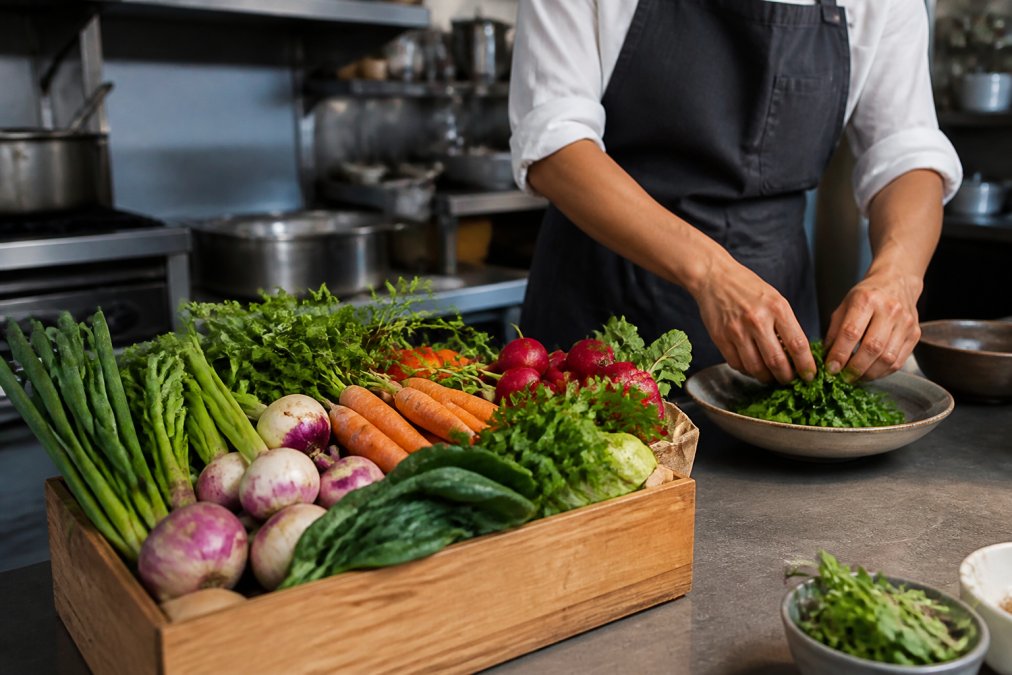
Fine dining kitchens generally work with more expensive ingredients and more labor-intensive technique, and that is where a real difference in flavor can come from. Sourcing seasonal, local produce often means better texture and taste, because it is picked closer to when it is served. Read our guide to local ingredients in Carmel cooking to go deeper on how sourcing shapes the menu.
Whether it tastes noticeably better depends on the dish and on your palate. Some diners cannot tell a premium ingredient from a standard one in a complicated sauce, while others notice immediately. We think the honest answer is that good technique and fresh ingredients show up most clearly in simple dishes, where there is nowhere to hide.
Is a Prix Fixe Menu Worth It
A prix fixe menu sets one price for a multi-course meal, and it can be a good value if you would otherwise order several courses à la carte. It also removes the guesswork about what your total will be, which helps when you are budgeting for an occasion.
It is less worthwhile if you dislike one of the courses, have dietary restrictions the kitchen cannot easily accommodate, or simply want a lighter meal. Check the menu before you commit and ask about substitutions early.
Service, Atmosphere, and the Experience Itself
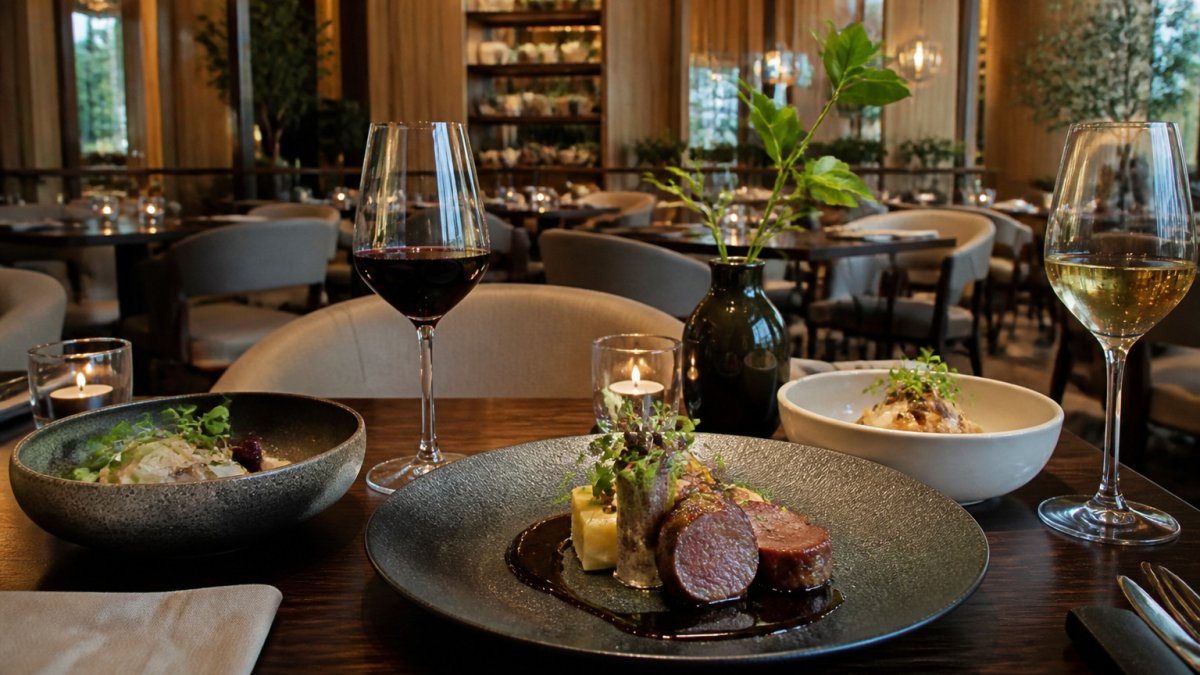
Much of what you pay for in fine dining is service: attentive staff who know the menu, pace the meal well, and make the evening feel unhurried. Atmosphere matters too. Lighting, table spacing, and a patio setting all shape how long you stay and how much you enjoy the meal.
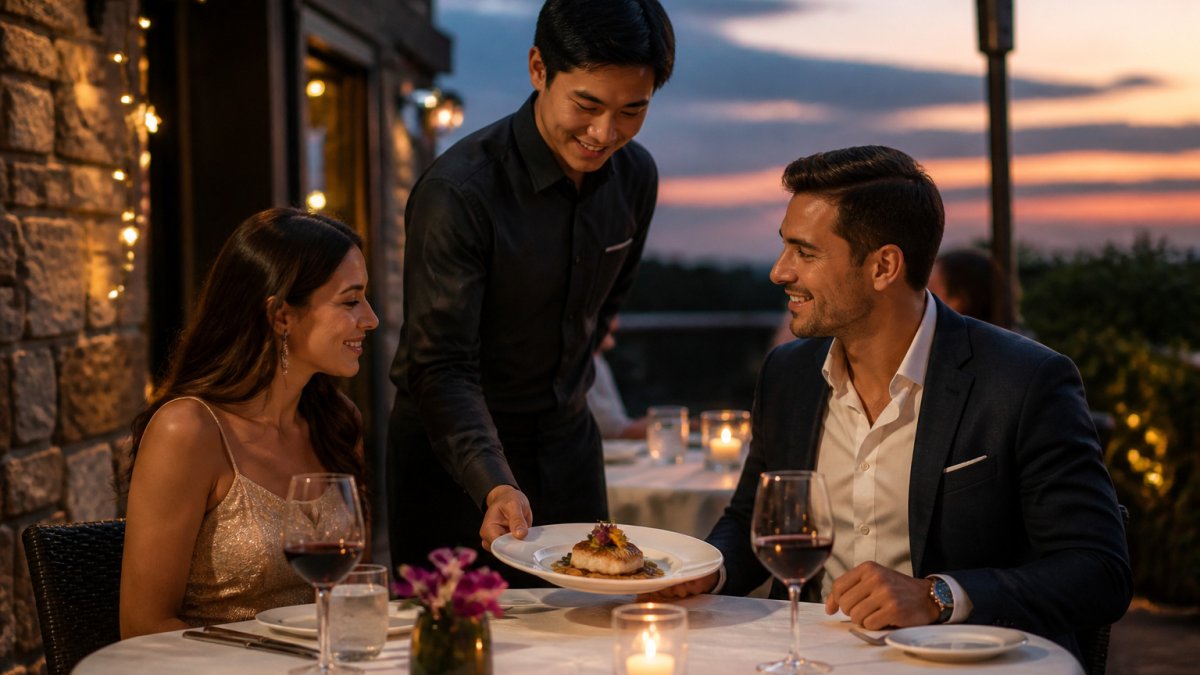
Experiences like this are hard to quantify, which is exactly why they are easy to overrate or underrate. If you plan to celebrate an occasion, the memory and comfort of the evening may be the main return on your spending. If you only want a quick, filling dinner, that same investment will feel excessive.
A Simple Framework for Judging Value
Most advice on this question stops at "it depends on the occasion." A better approach is to score the meal on the things you are actually paying for, then compare the total against your next-best option. Use this scorecard before you book and again after you eat.
The Five-Criteria Scorecard
Rate each criterion from 1 (poor) to 5 (exceptional), then weight it by how much it matters to you. See an honest dining value assessment of a specific Carmel spot to see how this scoring plays out in practice. A simple version:
| Criterion | What to look for | Weight it higher if... |
|---|---|---|
| Food | Ingredient quality, technique, seasoning, and consistency across courses | You are dining primarily to eat well |
| Service | Menu knowledge, pacing, attentiveness without hovering, problem recovery | You are celebrating or hosting guests |
| Atmosphere | Lighting, noise level, table spacing, comfort, and setting | The evening itself is the point |
| Originality | Dishes or combinations you cannot easily get elsewhere | You want an experience, not a reliable standby |
| Memorability | Whether you would describe the meal to a friend a month later | You are marking an occasion |
Multiply each rating by your weight, add the totals, and you have a personal value score. The number is less important than the exercise: it forces you to name what you are buying.
Compare the Full Cost, Not the Menu Price
A fine dining dinner at one price and a mid-range dinner at a lower price are not directly comparable until you add tax, tip, and drinks to both. Run the same layered estimate from the previous section on each option, menu price, supplements, beverages, tax, gratuity, and compare the all-in totals side by side. A restaurant with a lower menu price but a mandatory service charge and expensive drinks can close much of the gap.
Budget-Conscious Ways to Try Fine Dining
You do not have to book the most expensive seating to experience the format:
- Lunch and early seatings. Many fine dining rooms offer a shorter prix fixe at lunch or an early evening seating at a lower price than the prime dinner menu.
- Bar and lounge menus. A bar menu often lets you sample the kitchen's cooking at a fraction of the dining room spend.
- Skip or share supplements. Premium courses are optional; you can often build a satisfying meal from the base menu.
- Choose your beverages deliberately. A single glass of wine or a non-alcoholic pairing can replace a full pairing without losing the experience.
- Ask about the cancellation policy. Knowing the terms lets you book with confidence rather than paying for a seat you cannot use.
Practical Booking Considerations
Before you commit, confirm dietary accommodations, dress code, reservation and cancellation terms, and accessibility for your group. These details rarely appear in reviews but they determine whether the evening works for you. If a restaurant cannot accommodate a dietary need, that is a value problem, not a minor inconvenience.
If the scorecard points toward a special occasion and a meal you will remember, fine dining is often worth it. If it points toward convenience or a casual craving, it usually is not.
How to Choose a High-End Restaurant and Decide If It Fits Your Budget
Start by setting a per-person budget that includes drinks and tip, not just the menu price. Then read recent reviews for consistency, since one great night does not prove a restaurant delivers every time. Ask about the menu format, dietary accommodations, and whether reservations are needed.
Watch out: the most expensive option is not always the best fit. A restaurant with a strong lunch or early-evening menu can give you the same quality for less.
For a closer look at what a fine dining evening costs, and how a reservation fits into that plan, we recommend reviewing our full guide to fine dining in Carmel-by-the-Sea before you choose.
Booking Your Next Special Meal at Pangaea Grill
If you have decided that a special dinner is worth it, plan ahead. You can book a table online to secure a time that suits your group.
Reserve your table with Pangaea Grill and see for yourself whether the evening meets your expectations.
Frequently Asked Questions
What does fine dining include?
Fine dining usually means a formal setting, a menu built around carefully sourced ingredients, technically precise cooking, and attentive table service. Many venues also offer a multi-course tasting menu, a curated wine list, and staff trained to explain each dish. The price reflects these elements together rather than the food alone. When you compare restaurants, look at whether the service, ingredients, and presentation match what you expect for the cost.
Is a tasting menu worth the price?
A tasting menu is worth it when you want to sample a chef's range in one sitting and the courses show clear technique and ingredient quality. It can be poor value if the portions are very small, the courses repeat ideas, or you would rather choose a few dishes you already love. Check the per-person price before booking, ask whether wine pairing is extra, and factor in tax and gratuity. A prix fixe menu can also help you predict your total spend.
How do I know if a high-end restaurant is worth it?
Start by asking what the occasion needs: a celebration, a business dinner, or a relaxed night out. Then look at menu transparency, ingredient sourcing, how the staff describe dishes, and whether the restaurant has consistent recognition from credible sources. Read recent reviews rather than older ones, and note whether guests mention consistency across visits. Pangaea Grill publishes its current menu and pricing on its website, so you can compare before you book.